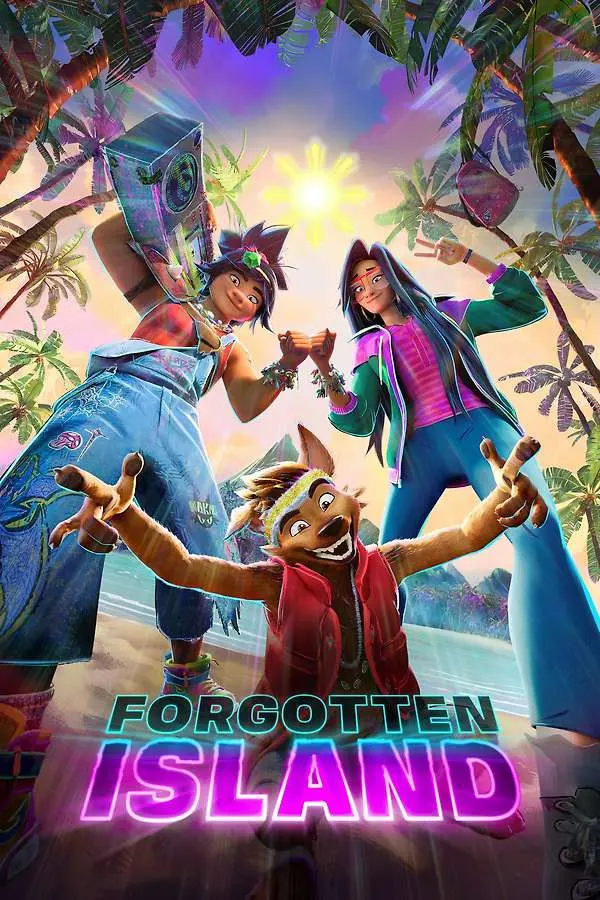
The preview for this film really turned me off to it, looked frenetic and hyperactive, I was going to completely skip it. But the reviews came in much different than I expected (though the box office isn't great), and so I gave it a chance.
And realized my mistake. This is a movie that is basically an animation showcase, with a bit of a plot thrown on top of it. Remember that scene at the beginning of "Puss in Boots" where the animation style suddenly changes as he is attacking the first monster, and your mind is connecting to the new layout? This is that done to an even greater degree. I didn't think the animation was quite up to PiB, but there were parts that were truly inspired. I'd say this one has more expressiveness and color, but it feels like it is missing something in regards to paiting a world.
I'd say the biggest misses are some rather shallow characterization, some plot contrivances that I felt were a little too on the rails, and a lack of a great baddy like "Death" from PiB.
Anyway, worth seeing. Some emotional parts at the end, but all the characters are zipped through so quickly that you will never really connect with any of them. My biggest complaint is actually the preview. I'm confused why you would market this as "bright lights / flashing colors" when your core is about growing up and the memories that define relationships? It might have done better with a small reworking to make it a more adult (teenager+) film and to have a advertising campaign that matched that. As is, I think it turns off most adults, and the themes are things that don't really make sense to a child.
Much better than I expected. I guess it might be a good way to introduce the ethical dilemmas of animal testing to a child. Never hilarious, but did make me chuckle at many points.
But the more interesting thing is what I learned afterwards as I read about WB shelving this film. It was originally going to be a tax write-off, but fan outrage caused them to eventually relent and sell it to Ketchup Entertainment for 50 million. On a cost of $70 million.
I do totally get that the cost of advertising will double the total spend on a film like this, and as such it is unlikely to recoup its cost at the box office. But surely there are alternatives? How much does advertising on your multitude of streaming services cost you (opportunity cost)?
Then I started to read about the Discovery / WarnerMedia deal, and how they are now basically unwinding everything they did in that merger (Vegas wedding?)... And this was after being dumped by AT&T, which for some completely cracked reason decided to purchase Time Warner (but not, dear readers, AOL Time Warner (they had divested themselves of that youthful mistake)), and I... I am sometimes genuinely confused how some companies are still in business? Is it cheap capital that keeps these things alive? Is it shell games with accounting? It is all very confusing from the outside.
Annnnywaay
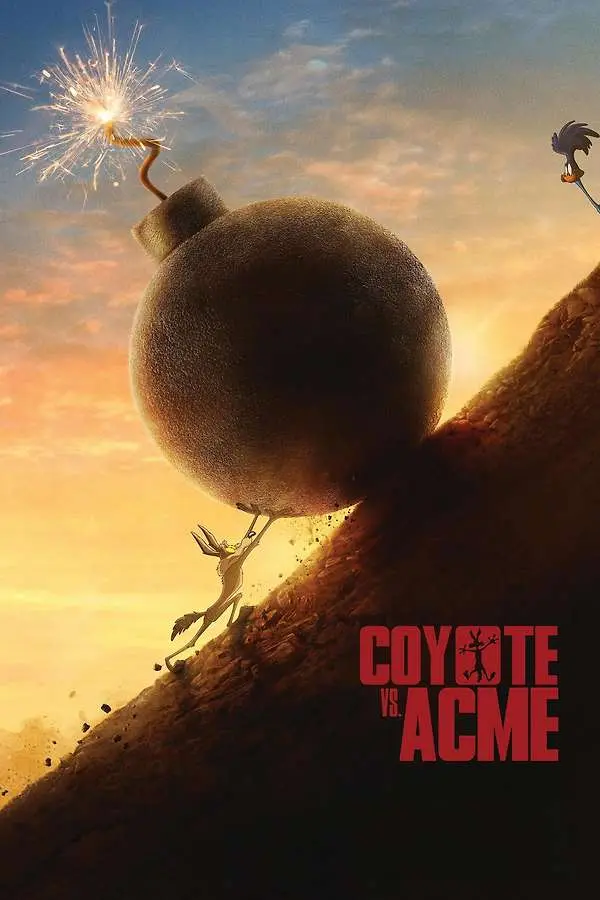
Movie was good. Coyote was admirable. Roadrunner was good friend.
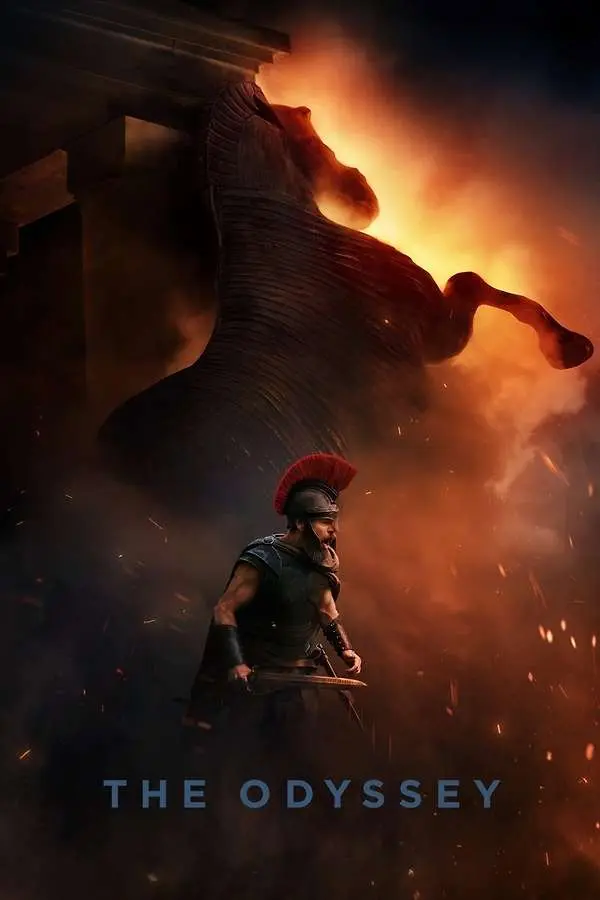
I last read the odyssey in high school. I have no idea which edition of it that was. This is something different.
I think two things really distracted me in the film.
On Odysseus's cognition:
In the book Neuromancer there are two AI's, Wintermute and Neuromancer. Neuromancer is designed for long term planning, where Wintermute is designed for improvisation in the moment. I think that might be the first book I ever read where I genuinely thought about there being different types of intelligence. When I read the Odyssey, I remember thinking that Odysseus has more of a Wintermute type of intelligence. He is "clever" in the moment. He is fast to act and react. You could feel it in the book: this was a guy who would act rather than wait and see in many situations. Odysseus would opportunistically deal with problems as they occured, rather than debate them. Not that he was flippant; he did have the ability to keep long term goals in mind (good job on those sacred cattle). He has restraint, but I felt his core intelligence is that he is GREAT in the moment.
My mental image of Nolan's Odysseus felt like an old man kicking a broken air conditioner. It's hot, he's tired, he just wants to get home. I just couldn't feel his raw opportunistic intelligence, it felt more like a war veteran story than the story of a man who takes life by the throat at every opportunity. Who relishes the intimacy of close quarter decision making.
On Playmobilling his personality:
In the book, I'm pretty sue he basically just kills everyone in the hall. I'm pretty sure he even kills the women who slept with the men who were in the hall. Odysseus, was not a nice man. He was honorable and perhaps even ethical by his society's standards (I'm not sure that had the same meaning as it does in modern times), but he was really brutal.
When you put the book and character's actions in this context but attempt to explore them with a modern worldview it just comes off a little confusing. I think they should have either given Odyseus a modern worldview and also updated his actions to reflect modern sensibilities or kept his brutality, honor and worldview intact and done their best to get us to understand how people at that time thought (even if we disagree). The compromise leaves you feeling a "negative space" that is hard to ignore.
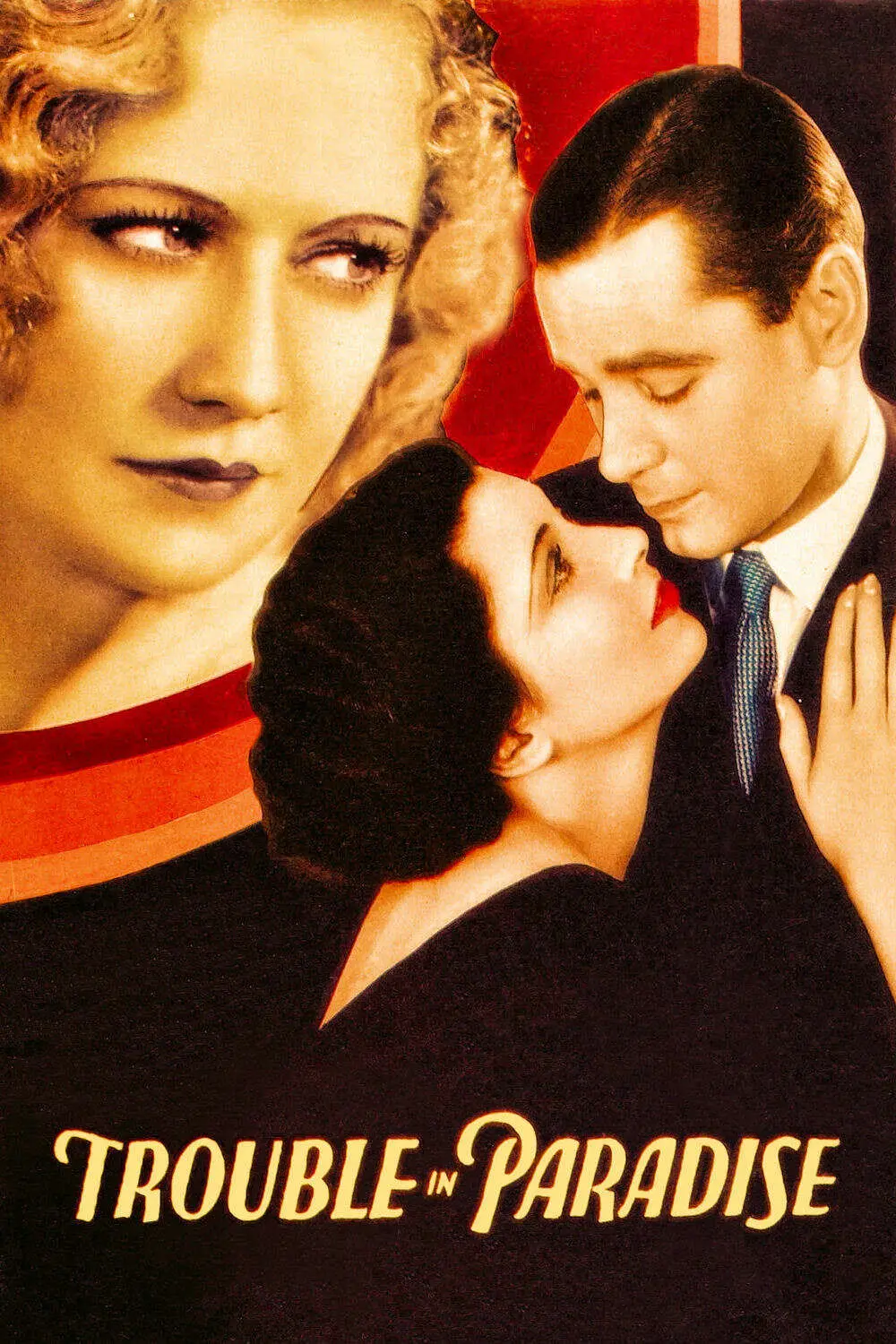
I found the beginning of this film off putting as there seemed to be no music at all where I expected it.
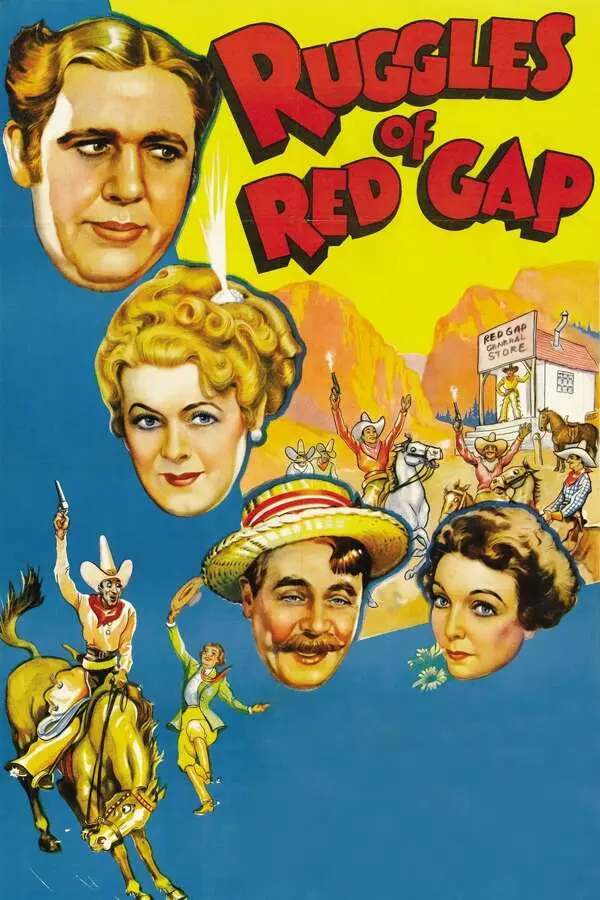
It is interesting to experience that, as you realize how often you are actually using the music to sort of judge the emotions of the characters. There were some scenes at the beginning, around where Ruggles first gets drunk at a posh Cafe, that I was not sure were supposed to be comedy or tragedy. Is this a man whose mask has fallen and who is in despair at his position in life, or is this a man whose mask has fallen and who finally gets to comically interact in the world on his own terms?
It was similar to the feeling you get when you watch a sitcom without the laugh track. In that I couldn't trivially tell what people were feeling without the additional music to inform me. Strange sensation, to realize that some input other than the acting is actually informing your understanding of the emotional state of the characters. It is a deficiency/codependency I have developed through years of watching film I suppose. Someone who had never seen a movie would of course be looking intently at the characters to judge emotion, they wouldn't listen to the music! Why would that have anything to do with what someone is feeling?
It is a convention, that you hardly even notice it is so common, that sits like a sore thumb when it isn't present.
Just shy of slapstick, with funny but oddly drawn out scenes of humor. It has been a long time since I have seen a comedy (romance?) with this sort of pacing.
I thought there was some refreshing camera work as well. One scene where the Uncle's face in profile envelopes the whole frame was distinct. I remember seeing shots of just the sun or the surroundings at points.
In comedy, you get so used to the "talking heads" format of most films that you forget that the cast & crew can express themselves through things other than the dialog.
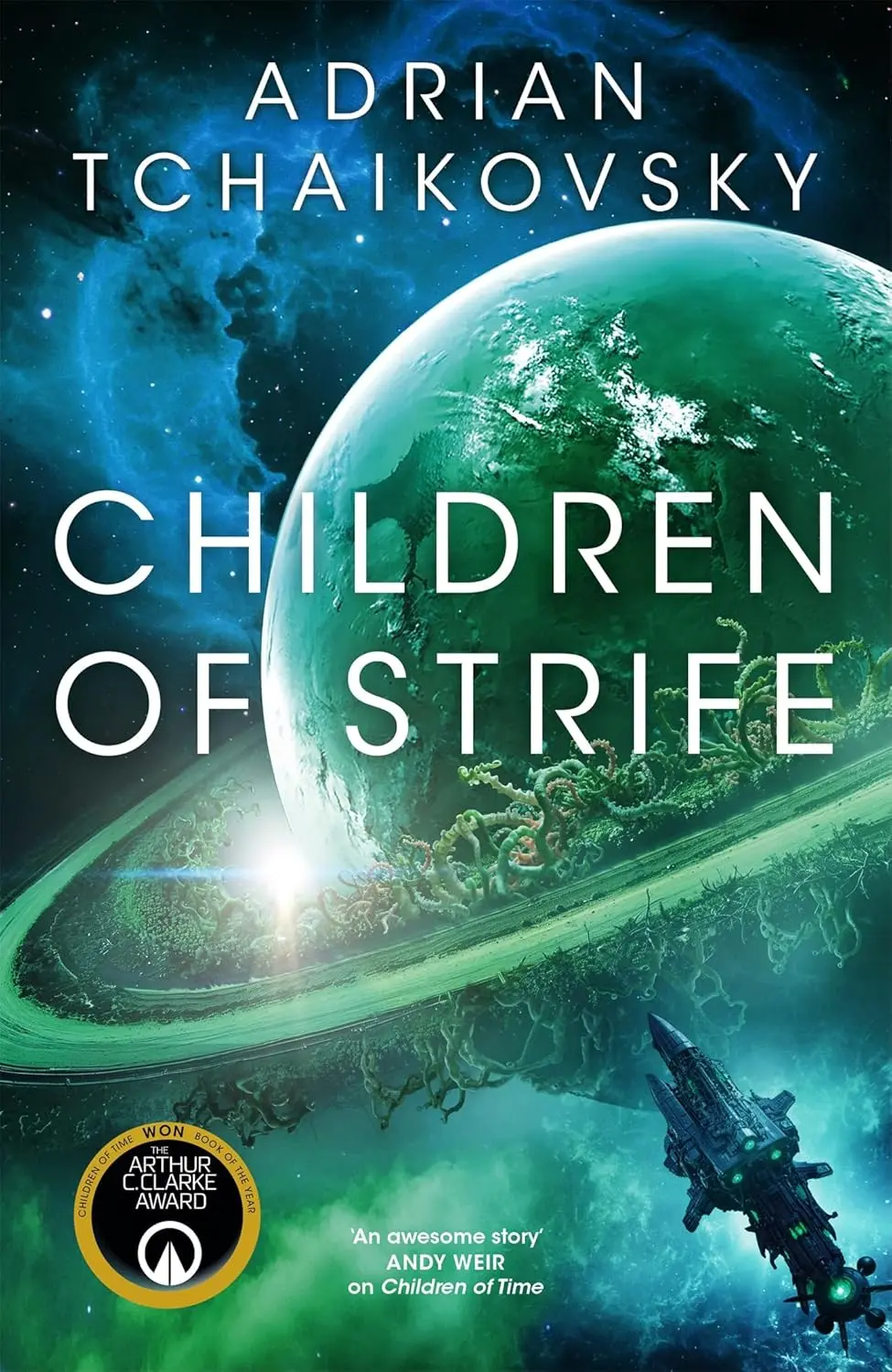
This may be my favorite "Children of Time" book yet (and I really liked the first and second book).
I'd say the biggest reason I enjoy science fiction is being exposed to new ideas. In book one of this series, I enjoyed imagining how a hunter spider species would evolve when imbued with a "brainiac-empathy" gene. In book two, I loved the idea of a central (Id) mind with a 8 distributed actuators (ego).
This one introduces the notion of a punchy, aggressive, status driven mantis shrimp.
I really enjoyed thinking about what it would mean to be an evolved mantis shrimp. Human beings have technically carried around deadly weapons since we developed tools. But a mantis shrimp is an organism that has two deadly weapon everywhere it goes. Imagine how much different human society/evolution/whatever would have been if we were constantly holdings blunderbuss' at each others heads at all times? Where being in range literally meant that either party (whoever fires first) can immediately and almost certainly kill the other. I suppose we have had potentially deadly weapons since we realized we could brain with rocks, but this is a risky (and messy) way to do things compared to the instant death that a mantis shrimp represents. What would that do to trust, to boundaries, to aggression and bluffing?
It is just such a fun humorous world, where 4 (5 with lowercase humans) species are learning to coexist despite their very different ways of looking at the world.
There is a certain pacing here that, despite the plot having an anime level of miscommunication and stubbornness, still somehow works.
When you consider how silly each individual element of this film is, you realize that it is actually masterful in how it combines its base elements into something this fun.
Damnit Google. I pay you $13.99 a month to not see ads. I have been doing this for over a decade. I have clearly indicated through every avenue that I can that I don't want to see "promoted" content from FIFA. Not only do I not care, but I consider them to be a deeply corrupt organization that I don't want to support. I have twiced ask you not to give me anything about FIFA and you just keep pushing it into any orifice you can find.
This is how you get piracy. You offer no actual way for people to consume your content without subjecting them to undue hardship.
I don't think I have ever seen an add online and then said "I'll buy that", so they know that this is an incredibly inefective strategy. They literally just need to show it to me so that they can claim that people in my demographics are looking at their ads. They must recognize that the efficacy is pathetic, but they need to include me in the pool in order to sell my potential eyeballs to some next sucker.
I have been on Kagi for multiple years now because I was so sick of the pollution of the search bar on Google. You are just encouraging those with the means to pay for a competitor with this nonsense.
Google, recognize that you are canibalizing your own goodwill by doing stuff like this. If someone is paying YOU to not see ads, respect their choice.
I was impressed with how interested Franklin's father was in getting him into a profession that he was good at as well as suited for (enjoyed, to some degree at least). There were a lot of false starts, but Franklin was literally being asked and prodded from a very young age (8) to pick his profession. He started in grammar school, then transitioned to chandler and soap boiler, spent several years observing trades with his father (his father was worried that otherwise he would run off to sea), and finally became a printer. That is just wild. Imagine walking a 8-12 year old around trying to get them a job somewhere, asking them if they like this or that, or if they find this or that interesting and might want to master it? It just seems so antithetical to modern life; the idea that you need 12 years of education before you can even begin to specialize in "your calling". I don't know, I am not saying anything profound here, but I am just imagining the opportunity for agency, for familiarity with the way and the working of the world, that a young person must gather considering how early in their life they became a member of society. It's just so foreign that it is hard to visualize.
I also noticed that wherever Franklin went, he was always forming communities. The most famous one was his sorta secret philosophical society (and their less but still sorta secret chapters). It seemed like the man basically knew and regularly interacted with everyone of import. How did he do this? I have tried dinner parties and things like that and I'll be damned if they aren't incredibly difficult things to get going. You spend a huge amount of energy and the thing just does not seem self sustaining. Was it just the times? That people valued each others company so much that they would constantly seek each other? I think some large part of his success can be attributed to the fact that he literally just knew and brought together everyone. Selfish, but understanding this part of his life (and likely success) would probably be the most beneficial to me.
Roger Ebert once concluded that video games can't be art, later walking back (though never refuting) that claim as he admitted that he hadn't really engaged the medium.
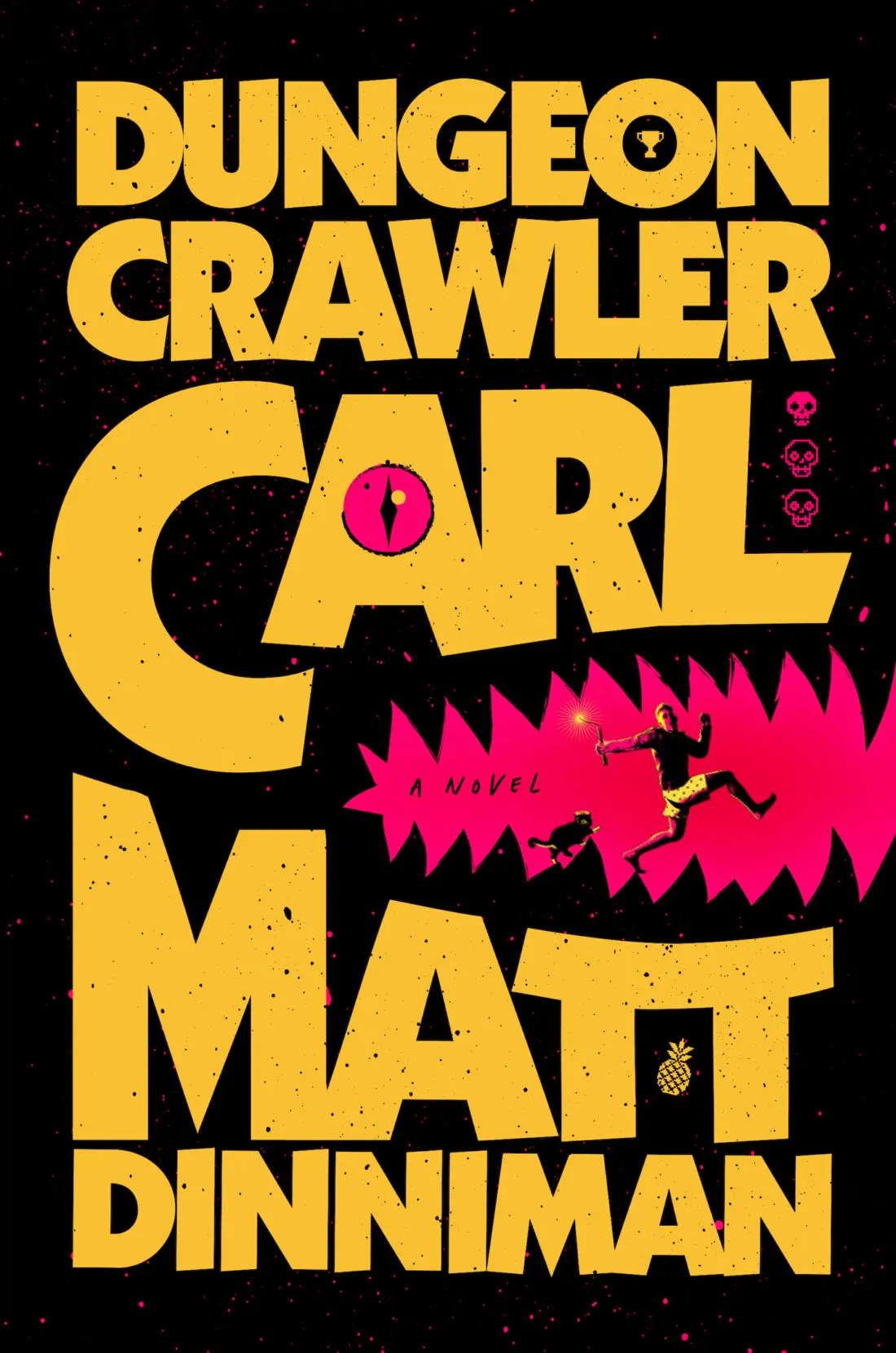
At the risk of repeating Ebert's mistake, I will Bayesian 40% go on the record as saying that LitRPG can't be art either. This is my first litRPG book.
I think this is just about perfect travel reading. It is fast paced and funny, in a mean spirited "life is cheap" sort of way. There is almost nothing of depth or thought here. Upon completing it, I was surprised to see that there are people who are genuinely offended by this series. It is a story about a world that from the beginning makes absolutely no logical sense. It is at best a parody of a caricature of DND, bro, and pop culture. It is supposed to be fun like comic books and bubblegum, an almost Freudian Id level character running through an adventure with barely a thought for what he is experiencing.
My biggest curiosity of the series basically boils down to questions of whether the whole setting will make more sense (a civilization that can transform an entire planet is insanely advanced, which the aliens in this book do not seem to be) and whether some of the almost "socialist lite" bends that I sort of read will be highlighted in future books?
Consume it like you consume bodice rippers, pulp mysteries from the 50's, or Jason Statham films. I likely won't continue the series unless I do more travel and want something to read poolside, but I think it is fine as breezy entertainment.
The voices in this film (especially Gaston's) are really great.
It is a pre Hays Code movie and is starkly immoral next to the "coded" films that followed.
The Hayes Codes were so effective that after some point you stop even thinking about the things you are not seeing in coded film. Walking back just a few years to a movie like this is striking. Tame by modern standards, but you realize just how powerful a force mass censorship can be.
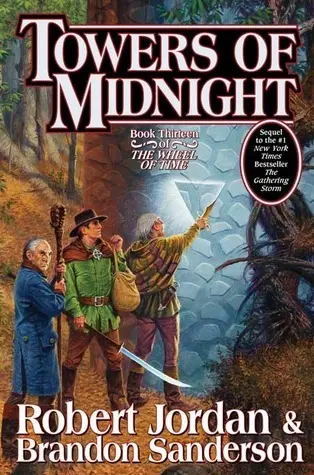
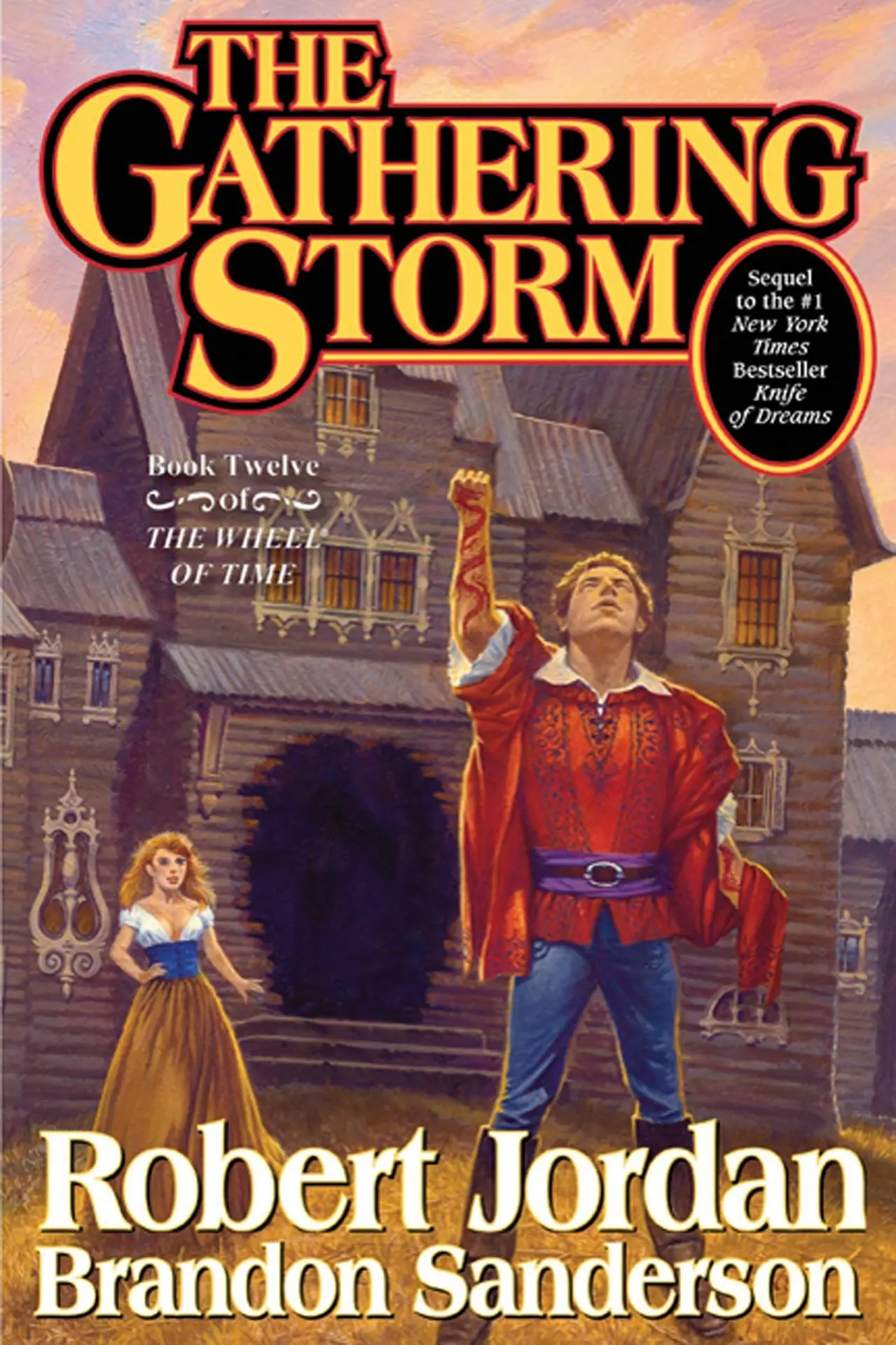
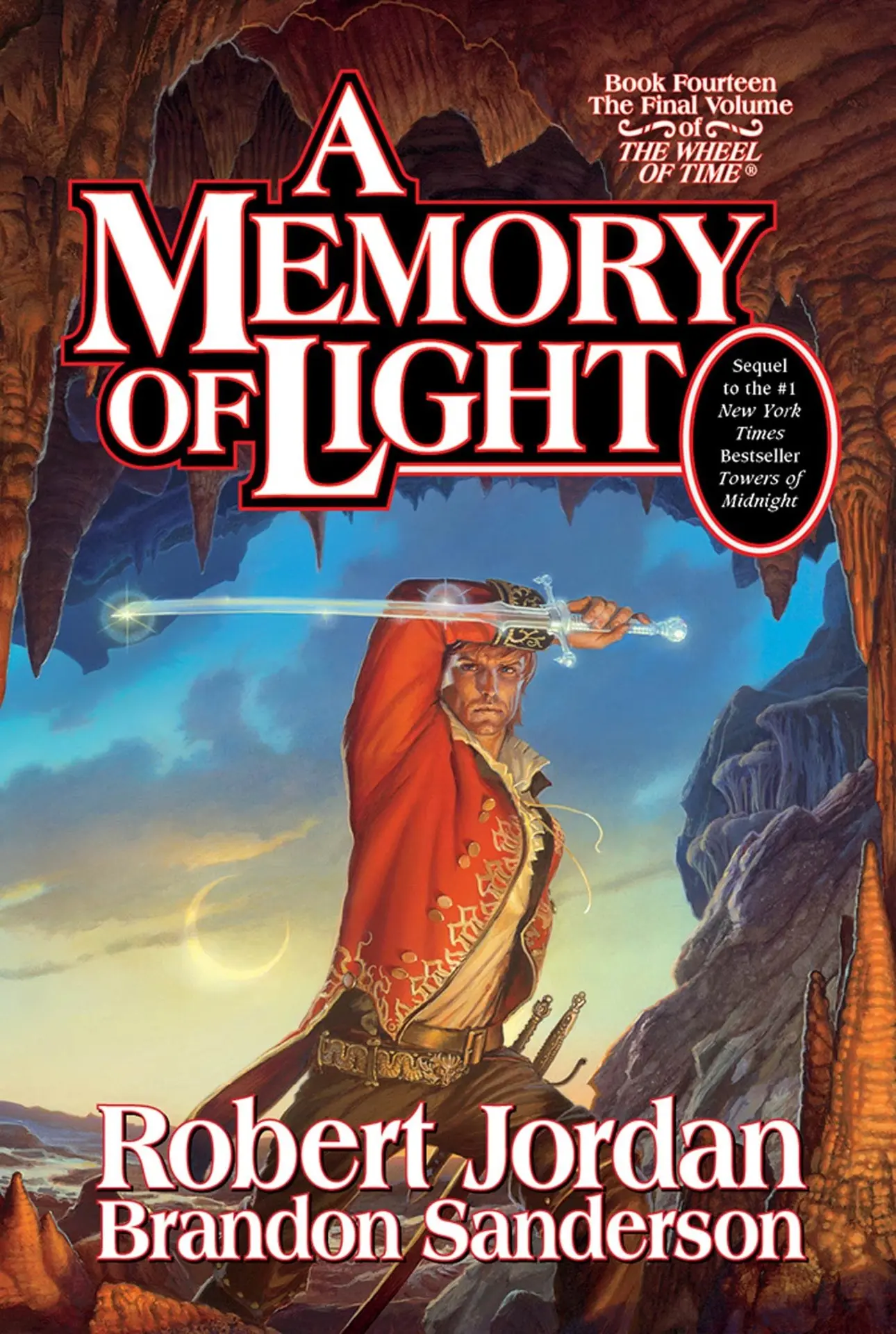
This was probably a lost war from the beginning. I think we did about as well as could be expected, but ultimately Sanderson taking over just didn't land.
I think the biggest issue is that Sanderson's characters seem too similar. It's as if they are all siblings, with identical worldviews and internal voices. This was quite frustrating to me, as the characters are still defined by their actions, but on the inside it seems like they are all the same soul with different shells. Sanderson seems to focus on action and events over characters. This is fine if the entire series is setup in this way, but Wheel of Time was not an action heavy series, it was a series of characters.
Jordan spent an inordinate amount of his prose on sidequests, character interactions, setup, deliberation, travel, etc. Despite this, I enjoyed his writing. I liked that this was an epic story, but it was really just about characters. I sometimes enjoyed even hearing about the banal parts of their lives, the same way you enjoy hearing about the boring day of someone you care for. The whole series was more about loving the characters than it was about what was actually going on. I think Jordan (even more than his readers) loved his characters too much, to the point of favoring indulging in writing them over actually moving the story forward.
I think Jordan failed to setup a "high action" foundation, but I don't think action was really the point of his Wheel of Time. Book after book, Jordan kept inflating this balloon of plots, not even beginning to actually release the pressure until basically book 11. This made Sanderson's job of "deflating" the series even more difficult. With Sanderson suddenly attempting to actually close things out, things felt rushed and sometimes even tacked on. Sanderson didn't just have to finish another author's work, he had to simultaneously change the focus of that work from indulgent characterization to action and plot progression.
Maybe I'm just bitching because an author that I really enjoyed died. What were the alternatives? Sanderson did all he could to close the myriad open threads, to raise the amount of actual action in the series, to find his own footing when taking over a work he didn't start. He took over a series about people and made it one about plot, it is good, but it isn't Jordan's Wheel of Time.
I'm trying to keep this low stakes. Most of what goes in won't be good, and that's fine. Quantity over quality. Let's make the first 5% of the 1000 that you throw away. Setting an alarm for July 3rd.
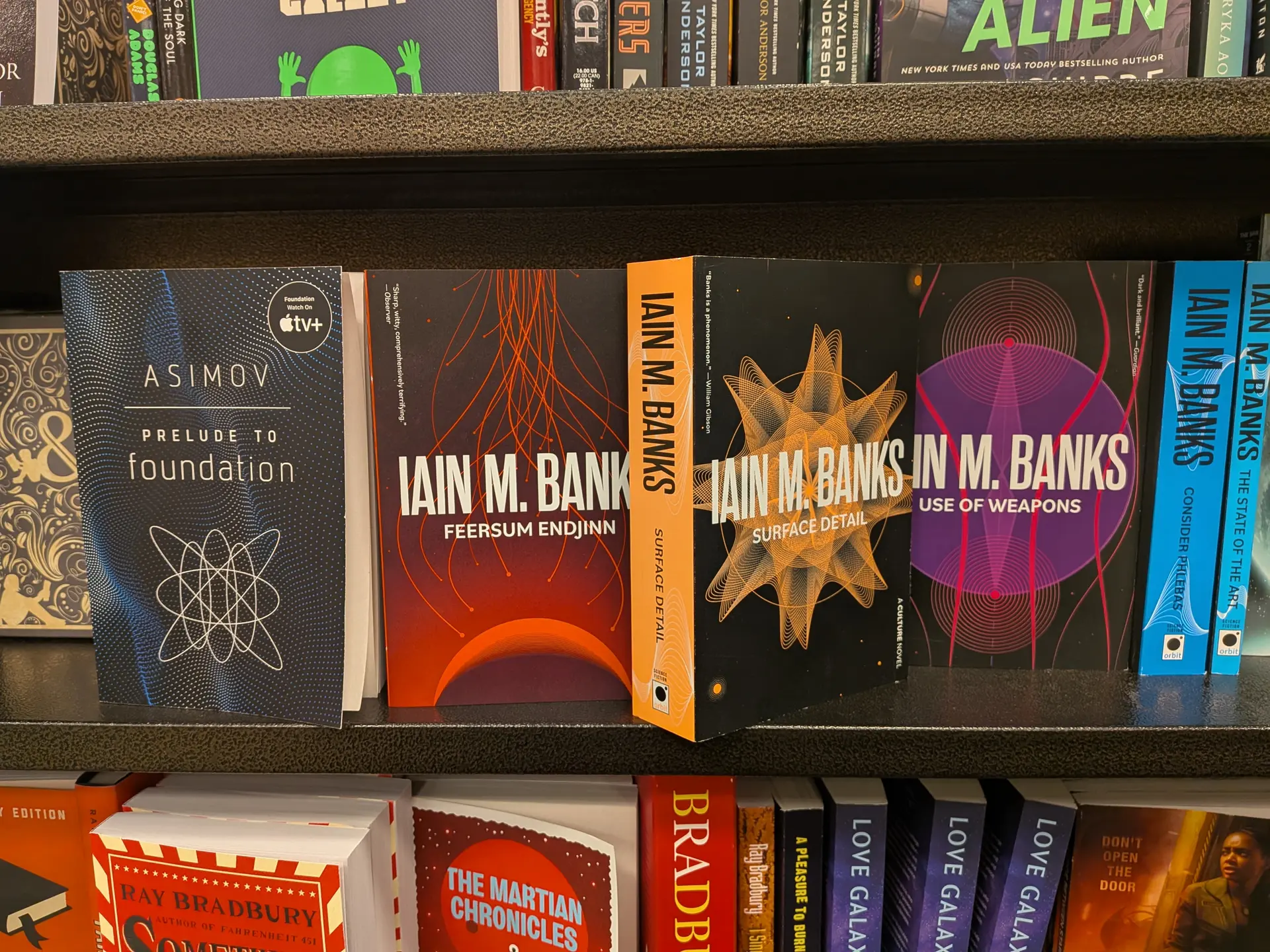
I'm befuddled by the growing trend of minimalist/abstract book covers within sci-fi and fantasy. Many of these covers give no indication at all to the content of the book.
What is going on?
A perusal of my local Barnes & Noble.
Admittedly, I don't have strong memories of the Culture series covers (except one with a chair on it ;] ), but these new ones are... I mean, I literally have no idea what this book is about from the cover. That is just absurd. These could be Winamp visualization plugins.
I suppose the Foundation cover is illustrating psychohistory? Or is it just vaguely supposed to look like an atom with it's orbits? Is it just a sort of association thing because ASIMOV's name kinda looks "atomic" in some way? What is this about?
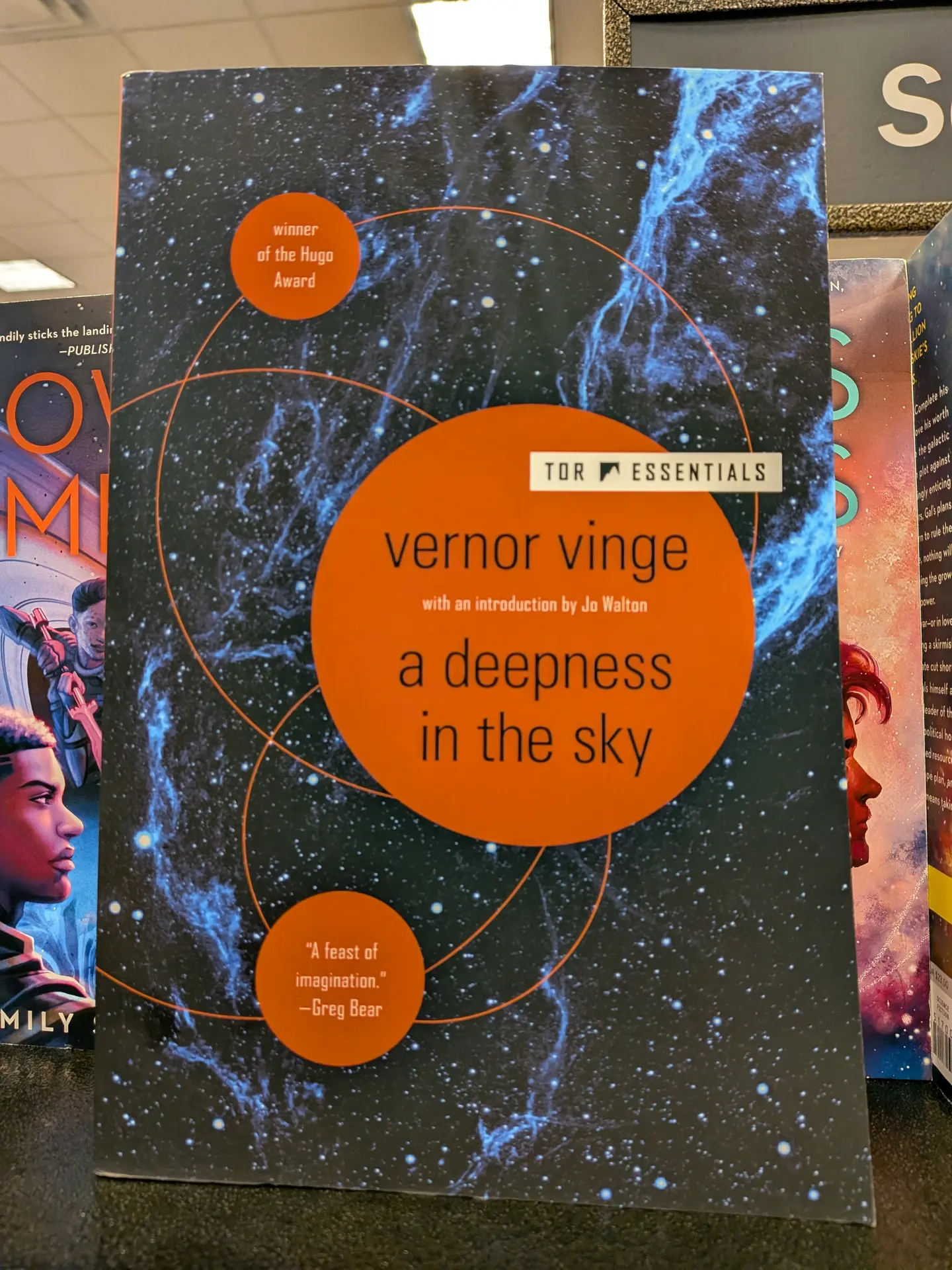
I mean. I guess you have a sky. And I guess the sky looks deep. On the cover. Cool cool.
But Why?
Honestly, I don't know, and I would rather just complain than do any real research. I have some theories:
It is cheaper?
Maybe it just cost less to get a generic cover that looks like an e-vite to a small gallery showing? Are these being generated by AI? It occurs to me that maybe graphic designers are looking for work at this time (see AI), and that they are working at bottom basement prices relative to an artist?
They want something timeless?
Maybe by going minimalist, the publisher feels that they might be able to release a look-and-feel for a book that will better stand the test of time? The less detail provided, the less something can ever look dated, the less it can ever be out of style?
I'm not sure I buy this. I have a feeling that these will age just as poorly as, if not more poorly than, any other cover design.
Does it show better on mobile?
Maybe the new covers are being optimized for high visibility on mobile? They know people are unlikely to be in the actual bookstore looking at the book itself. They are probably choosing to purchase it on a mobile device? Maybe minimal detail helps with catching attention in some way? Higher contrast in general?
Aside: Other failure modes
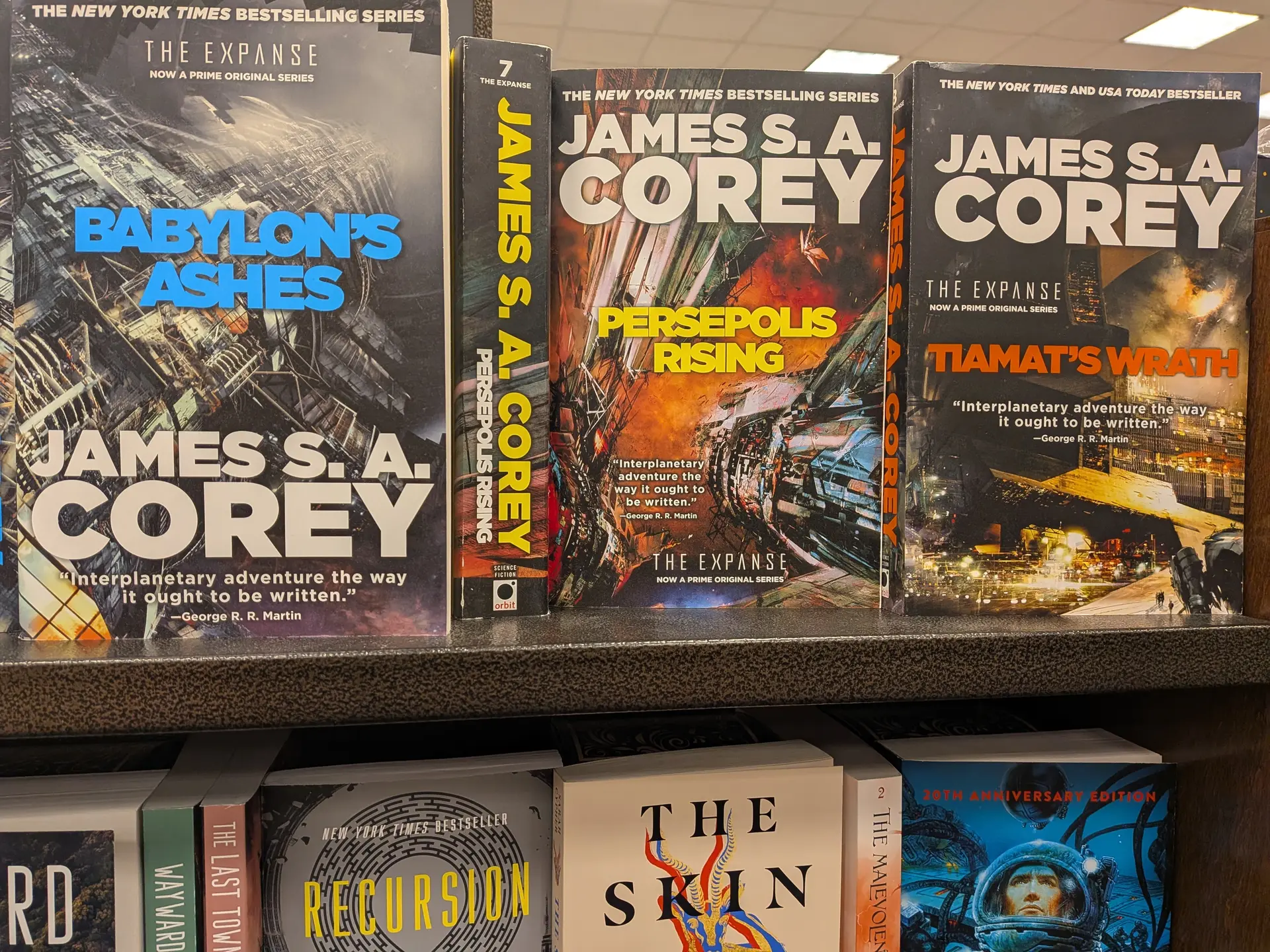
I picked these 3 because I think it is an example of covers that are almost anti minimal, but that still fail. There is too much visual noise on the page, and none of it seems that important. I don't think I could associate any cover with any particular book of James S.A. Corey's Expanse series.
Older and Contemporary Good Covers
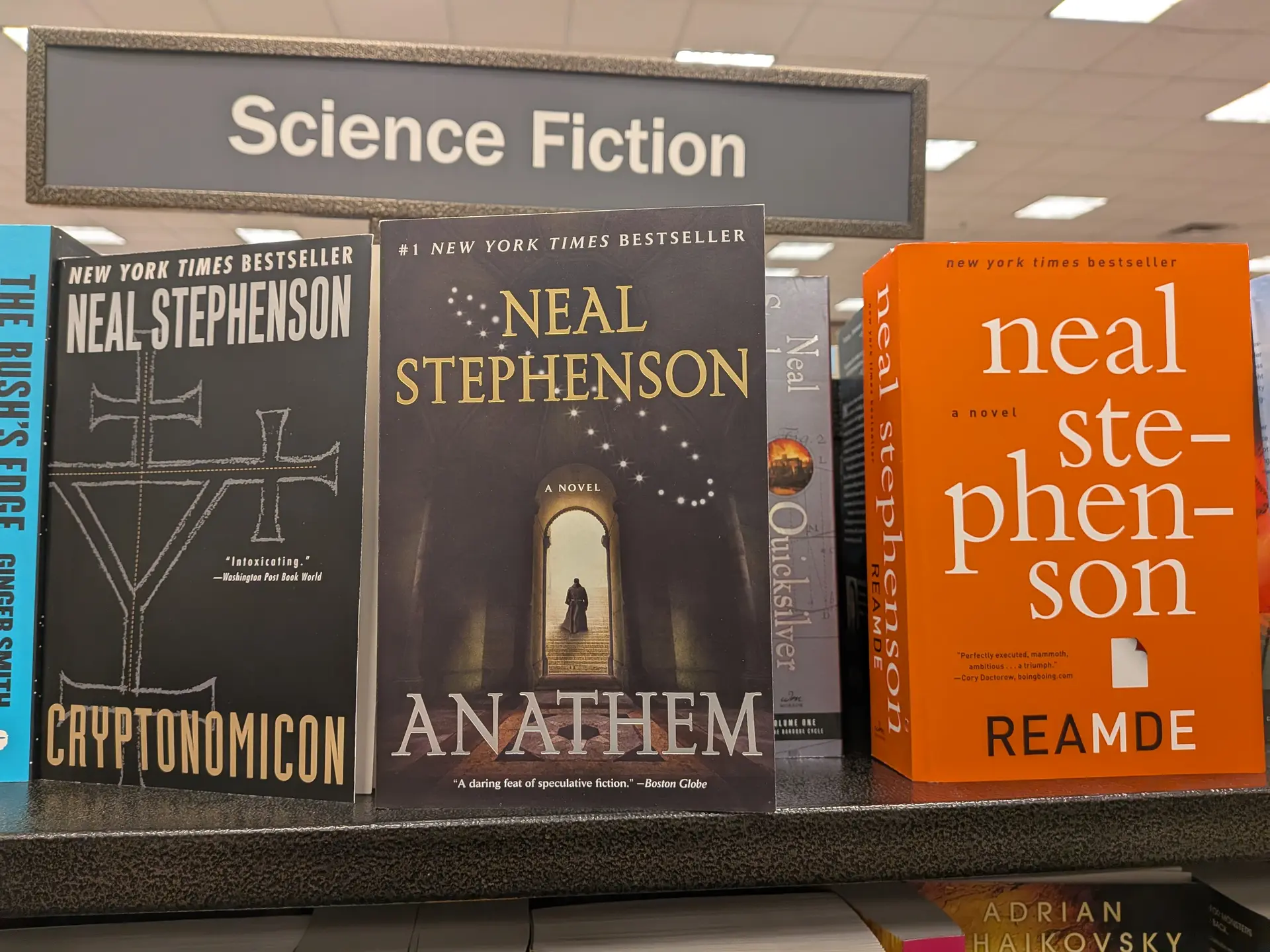
I picked this as an example of an older book cover that at least show some thought put into them.
You look at Anathem, and you say "Ah, this will be something about monkish people, maybe in a cloister or something?" It is such a minimal amount of information, but whenever I see this cover, even without the author or title, I will still associate it with Anathem. A cover should allow you to recognize the book without any wording on it. Tell me, can you visualize the cover to Hyperion without looking it up? What if I just showed you the image, would you be able to name the novel? I bet you are thinking of a Shrike overlooking a boat on a sea of grass. That is a good cover.
Finally, I wanted to pick from at least one contemporary well done cover.
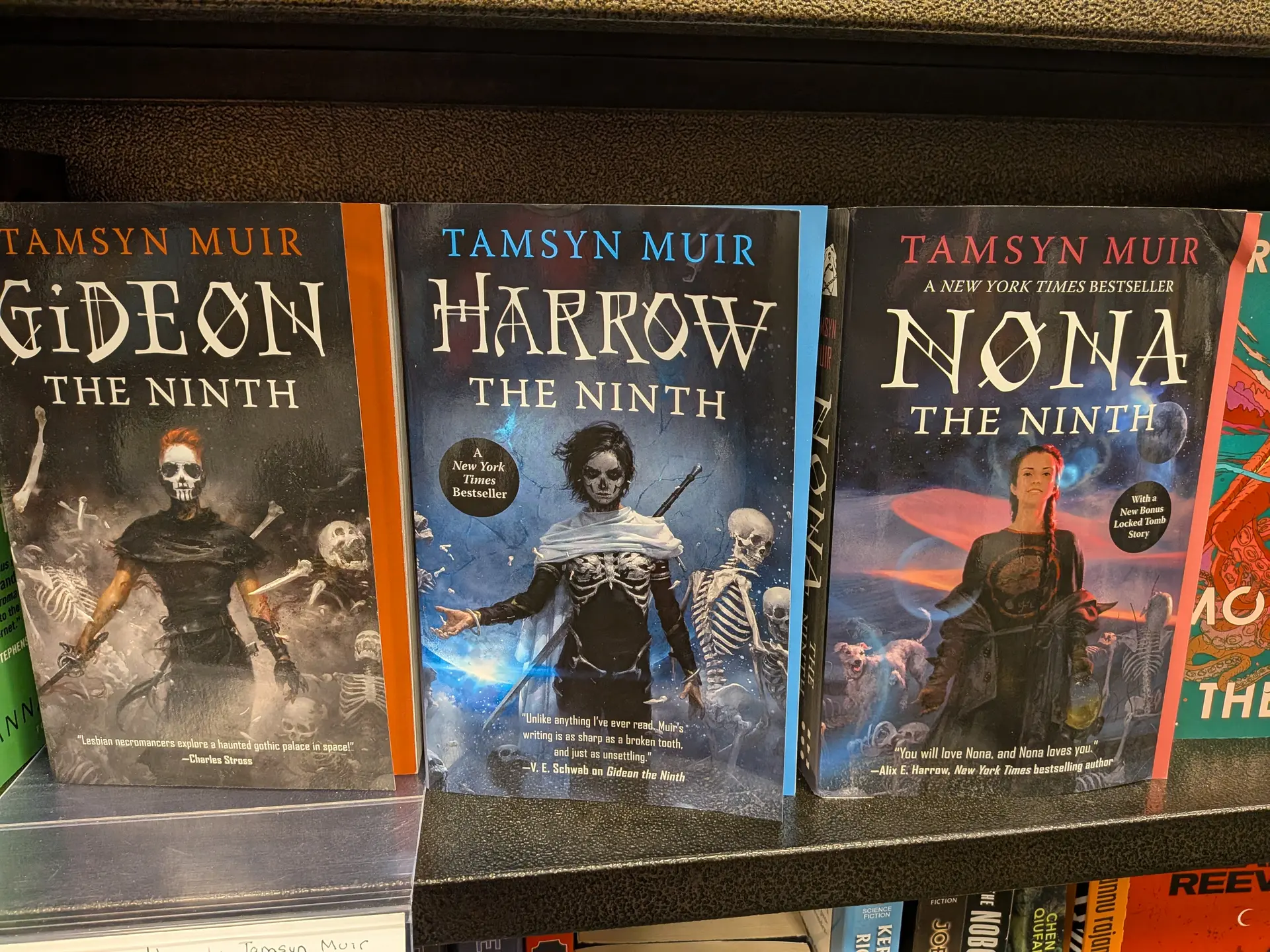
Let's set the scene.
I'm walking through a bookstore. My sightline is sliding across a book. I see "Gideon The Ninth". What is this? Well, it looks like a woman in kinda "Day of the Dead" facepaint who is holding a sword surrounded by skellies. Oh, and she is wearing aviators. Ok, that looks pretty cool. I then scan down and read "Lesbian necromancers explore a haunted gothic palace in space!" Regardless of your taste, you immediately know the ideas, the setting, and probably can infer the vibe from just the cover and a small bit of text. This is a cover that sparks interest, that is immensely recognizable, and that does some job of conveying the content of the book.
Note: I'm going to genericize any product that lets you pay for a trip in a self-driving car as a "Waymo" for the purpose of this article. As of this writing, Waymo is a division of Alphabet (who also own Google). Although Waymo (the company owned by Alphabet) is clearly leading in self-driving in the US, I am using the term "Waymo" to talk generically about self-summoned self-driving vehicles.
I think Waymo is going to become commonplace far faster than people anticipate. These are some quick thoughts I have on it that I would love to be challenged on.
Car Ownership is Already Unaffordable to Most
The average car in the US is currently $49,000. No US carmaker currently makes a car under $20,000. The average monthly car payment is $772 for new and $570 for used. There were 3 million repossessions and 10.5 million repossession assignments in 2025. This is a country of 350 million.
These numbers are just not sustainable. If your car is repossessed, you cannot get credit for the next car. You probably can't even afford to repair your other car. When these things happen, you have the cold calculus of either losing your job or figuring out some other way to get to work.
Given this, it is better to use a ride-sharing service and keep your job and benefits than to lose your job. I think American car companies are cannibalizing themselves by targeting the rich and those who aren't good at math by only offering luxury products ($70k trucks!).
They will drive people to try out and then acclimatize to self-driving at a rate that is far greater than our "open road" American mentality projects. We associate having our own car as "freedom" in the states, but those romantic notions will quickly fall to the side when you are worried about losing your health insurance.
There is a Growing Elderly Population
America is getting older. There will be more Americans over 65 than children under 18 by 2034 according to the Census Bureau. Many older people cannot (or do not want to) operate a motor vehicle. A Waymo or Uber is the only non-compromising option for getting around in much of the US. You can theoretically take the bus or some other public transit, but in much of the US this is not a great option for anyone who can afford otherwise. Waymos give the elderly the autonomy and flexibility that they want without requiring them to manually operate the vehicle.
I think autonomous vehicles will radically improve road efficiency
A vehicle that can go into self-driving mode (or autonomous directed driving mode) will be able to park a car with a density that only a skilled valet could usually perform. It will be able to avoid the "caterpillar" patterns in road congestion. It will never waste time by being distracted on its phone at the light. It will understand how and when to do a zipper merge... The list just goes on. Even low-level penetration of "polite, law-abiding" Waymos on the road will result in much easier traffic for the rest of us. It will mean that there will always be a car that is obeying the speed limit (which will effectively enforce the speed limit as the lead car). It will mean that some Waymo will end up stopping for the light rather than running the yellow.
I skeptically believe that autonomous vehicles are much safer
There is a huge marketing department attempting to convince you of the safety of self-driving. It is somewhat difficult to separate the PR from the truth. With that said, the apparent rate of self-driving accidents seems to be radically lower than average accident rates. As these become regulated and safety measurements come out at scale, it will eventually become evident that having a machine driver is substantially safer than an average human. This will probably result in legislation in multiple settings that encourage the adoption of self-driving for safety reasons (MADD, school dropoff/pickup zones, etc).
Seems that Young drivers don't value it the same
I am meeting more and more young (20-something year olds) who still do not have driver's licenses. Could just be sampling, but it seems like many younger people do not regard driving as the rite of passage that it once was.
Autonomous Driving is far Cheaper than Human Driving
A Waymo I-PACE is estimated to be around $120-150k. This cost will drop substantially in the future (it is just tech), but a human being will still need to draw some minimal wage to drive for Uber. I've heard that Waymos run for approximately 22 hours a day in some cases. A Waymo can be paid for over a full and entire day of work. No need for restrooms. No meal breaks. No sick days. No sleep. Nevermind the benefits and profit sharing that an Uber driver needs to exist.
I think the economics are such that Uber driving will disappear very quickly when they have to compete with Waymos. The real number is not only amortized vehicle cost, but taking the human out of the equation is going to be a huge savings on the cost in general.
There will be lots of competition
At this time, in the United States, Alphabet's Waymo has a substantial lead on all competitors in the self-driving ridesharing space. I hear that China also has impressive ridesharing as well, but it is very hard to get reliable verified news out of China. I think self-driving is immensely challenging, but I don't believe it is insurmountable. I think (Alphabet) Waymo's self-driving technology will be developed by competitors. When this happens the unit economics of offering a self-driving vehicle will just be irresistible. There are going to be a lot of providers offering really cheap self-driving services. Competition will lead to price wars.
Tesla just got a TX license in August. Zoox has launched commercially. Plus all these Chinese players.
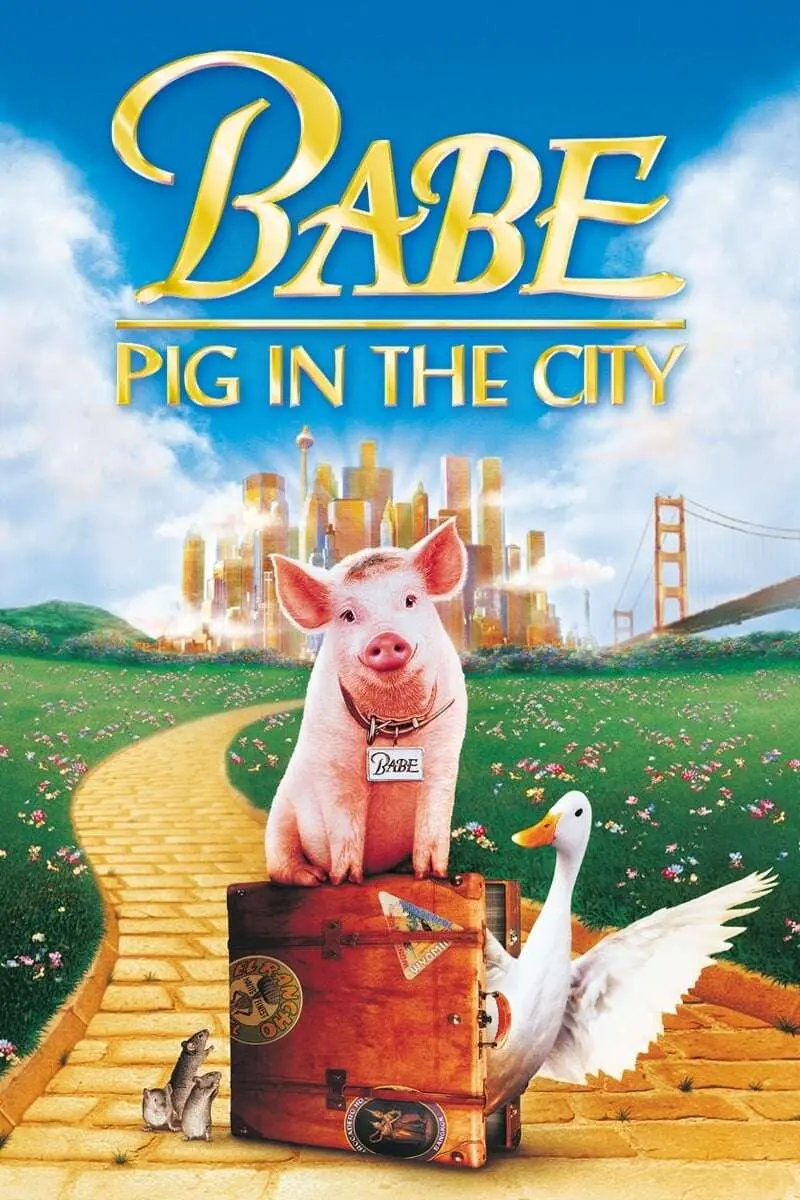
This film has some truly great setpieces, backgrounds, and design.
It is in no way as endearing or charming as the original film. But the thing I appreciated the most is that this is a reflection of the environment, not the pig! Babe is just as moral, kind, and good in this film as he is in the previous. He retains his quiet dignity and kindness (and perhaps even strengthens it) despite the wickedness of "The City".
I think "Paddington 2" may have taken inspiration from this film a bit. The main beats of the two plot are rather similar. Though the color scheme in this is closer to "City of Lost Children" or "Dark City".
It can be a little dark at times, and the city and its inhabitants are decidedly adult, but this only strengthens the moral character that Babe shows throughout the film.
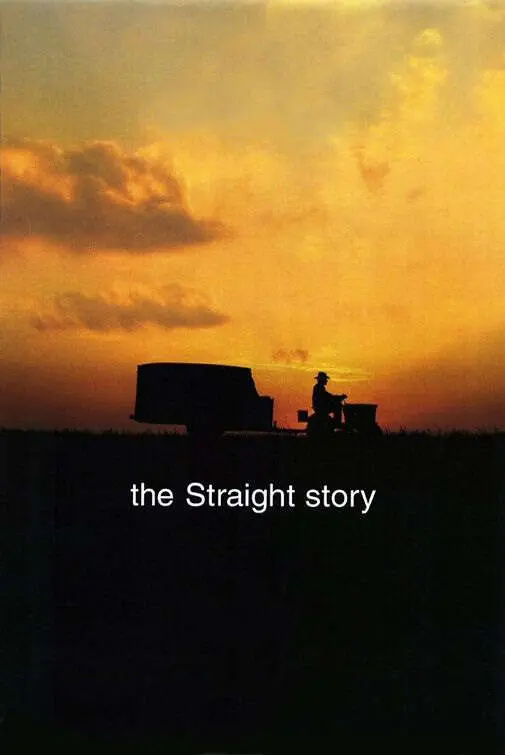
This feels like the American inverse of "Perfect Days".
The acting of the main characters is so unassumingly confident. No, that is the wrong word. It is so natural that it genuinely feels like you are watching a hidden camera of the journey. I am really impressed with both the skill of the actors as well as the eye of the director for capturing this.
The other thing is the simple way the story stops at moments to capture scenery, interactions, and humor. It is a movie that does not have anywhere to be at this moment, we will get there when we get there. The pacing somehow flows you into feeling like a ride along.
Finally, the color scheme on this film was just wonderful. I in no way have the words to express this correctly, but god, some of the yellows and reds and the contrast and the warmth... Beautiful.
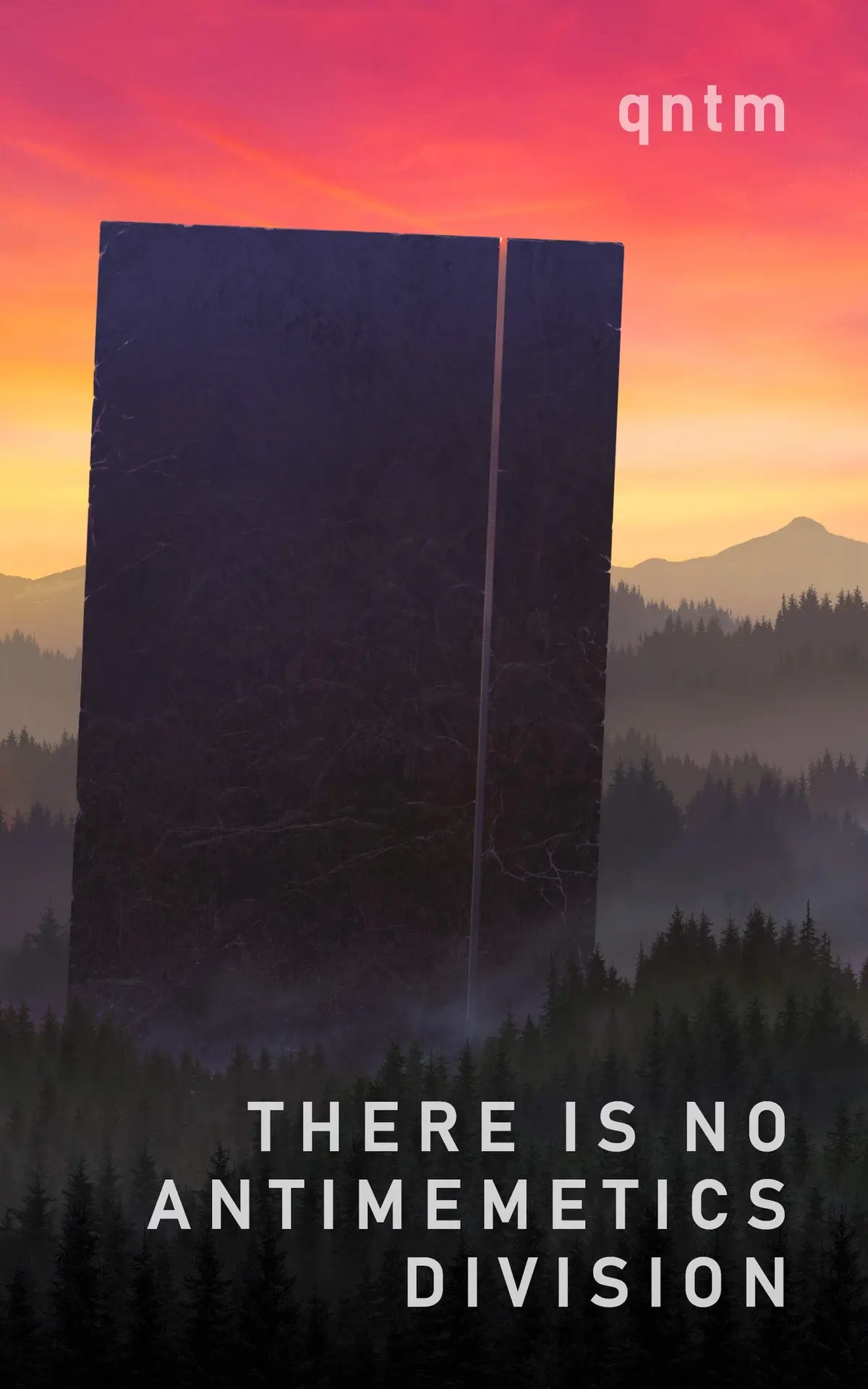
But dammit, it just does not make any sense when you think about it. Or, to my mind, it only makes sense when physical reality is in some way subordinate to consciousness or something (waves hands).
I think I understand that it is supposed to be in the same vibe as for instance the immense (horror?) of Cthulhu. Something that is so vast, so beyond mortal minds, that it can't actually be understood without causing madness. But we keep probing the edge of the antimeme. We keep prodding and boxing it in. We keep defining the negative space it occupies, which just makes it's existence (or ours) seem less and less believable.
I kept expecting there to be a explanation for how humanity keeps surviving these completely impossible scenarios. But as near as I understood, it was simply humanities plot armor at play. I found that deeply unsatisfying. I'm partially writing the review in the hopes that someone will correct me, will point out something I missed about what makes this story hold its form. If antimemes have been preying on the stuff of thought for all of eternity, how is it that humanity ever rose in the first place?
Have you ever watched any of the latest "Fast & Furious" films? They are loud like this book is loud. There is so much more action, so many epic scenes, so many skin of our teeth moments. You become somewhat deafened by the cacophony of it all. Half of you appreciates that this is great cinematography (in book form), but the other half feels that it is all intense first order emotions. The emotions and plot devices are so big and bright that it becomes less clear whether any of these characters have background thoughts or feelings. It is so saturated that subtlety or detail become washed out.
I hope that someday we might see the extensive notes left by Jordan to Sanderson. I'm interested in understanding how Jordan initially thought this was going to fit in one final book. I'd also appreciate understanding what Sanderson kept, what he revised, and what he invented in the later books. I'd also very much appreciate knowing if Sanderson would rewrite certain parts of his own work? What parts did he think he nailed, what parts did he wish he did differently?
I'm not putting this very well. I lack the skill to even put it clearly, but there is just something subtly wrong about this book. It is the most peculiar feeling. Objectively, I feel that I should like it. It is punchy. Fast paced. Has regular setups and payouts. It is good.
I think my dissatisfaction stems from a feeling that this series has switched from a sort of study of characters to an almost visual medium. It took the characters I love and it skillfully marionetted them in ways that are similar, but not quite the same as the characters I knew. Almost feels like the characters have been elided (archetyped?) into their core characteristics; soft edged Playmobile versions of the characters they once were.
I wish that Sanderson could have been Jordan's editor for Jordan's last few books. Sanderson has the raw skill and discipline to keep things moving, the theory of mind to recognize flagging attention or exhaustion in the reader. That might have significantly raised the quality of some of Jordan's later books as well as made the switch to the Sanderson books a less jarring transition.
So, evidently the BBC released this as 14 episodes where the first and last episodes are 60 minutes and the rest are 30 (60, 30*12, 60). Somehow though, the version I watched was condensed down to 8 episodes of 53 minutes each. So, by my math, some things must have been cut (possibly re-arranged) to make this kind of work out. I don't know, the whole thing is just deeply complicated, why would you remix the original series anyway?
The story itself was kind of ridiculous. Dickens wrote most of this stuff in serial form, and it kind of shows. The ending is... a bit unexpected. It was well acted and well produced, but the pacing is absurd. I also don't know if it is just this rendition or the original source material, but it is very uneven. Some characters are given half an episode, and then are never heard of again. Sometimes they mention characters late in the series that we have never heard mention before. It is just odd. I would say that the choice of how to cut up this material was (maybe) the most serious failure of this series.
Still, it was actually quite enjoyable. We had to pause several times per episode to talk our way through characters and their relationships, as well as make our future predictions about who was what to whom. Imagine what this felt like in serial form, as people waited for the next part of the series. It must have been all people talked about around the water cooler.
I created BoltRead as a 100% vibecoded app (I've never even looked at the code). The following is a personal retrospective on how this app development felt relative to other LLM assisted development I have done.
I have tried vibe coding in at least 3 different ways.
Specs as far as the eye can see
At first I wrote a system that had specs (markdown files) where there is a 1 to 1 mapping between each spec to a matching python module. I only ever edited the spec, treating the code itself as opaque. It kind of worked, though I realized how distinct the difference between a spec that communicates intent and a spec that specifies detail really is. I had a nagging suspicion that the amount of code necessary to properly spec software may be greater than or equal to the actual cost of writing the software itself. So what am I doing here?
Mental Health: Not Great, Bob (Tedious) (I am a PM now)
Productivity: 2x un-augmented productivity (these are guesses)?
Bicyle of the mind
From this, I felt that maybe I need to stay closer to the code. I decided to use the LLM as an assistant that only helps with filling in boring functions, doing research, remembering libraries for me, or just acting as a rubber ducky. I basically called Clauade from within emacs, having contextual conversations with the LLM about the code I was writing. This worked (though I never wrote anything more then small snippets of Elisp with it). I did do more active and engaged learning doing things this way, though I suspect that I was actually moving slower than I theoretically could have.
Mental Health: Actually, quite fun. Probably the most fun I have had with an LLM only partner.
Productivity: 1.2x un-augmented productivity (progress is slower, but understanding is greater)?
Jesus Claude, take the wheel
I'm currently experimenting with a 100% vibe coded project https://boltread.com. I drive it through interaction on the terminal, letting it create "specs" that act more as records of decisions than actual specs (like writing your test after you write the code). I find the temptation to get out of the outside critic mode and into just looking at the code is quite strong. I have resisted it to date (I want to experiment with what it feels like to be a vibe coder who cannot program), to judge if I realistically need to be concerned about displacement of Software Engineering. I am trying to see it with the eyes of someone who cannot program. This approach to development is frustrating. Like many, I find getting something 80% right with an LLM is relatively easy, but the last 20% are exponentially challenging. The project seems to get closer and closer to what I want, but it is like shaping mud, you can put detail into something, but it won't stay that way over time; its sharp detail will be reduced to smooth curves as you switch to putting detail elsewhere. I am not 100% sure on how to deal with that issue. I know I could manually fix many of the issues I have with this project, but how do I then stop the project from rewriting that manual work at some future date?
Mental Health: Certainly better than spec driven development. It is like pair programming, but with a partner who does not really learn.
Productivity: 3x un-augmented productivity (partially reflects the improvement in models)?
Retrospective
My current thoughts is that we have failed to actually find a good way of switching from the "macro" (vibbed) to the "micro" (hand coded) process of LLM development. It's almost like we need modules (blast chambers?) for different parts of any software project. Where we can switch to doing things by hand (or at least with more intent) when necessary, and doing things by vibe when not. Striking a balance that nets the greater output is quite challenging, and it may not even be that there is an optimal intersection. I'm floating the belief that vibe coding may be a shortcut that moves development forward, but does so at the cost of future flexibility in the software. I wonder if there may be a future where software teams mix the notion of technical debt and vibe coding as being the same thing? A sort of realization that, yes, we can move faster with LLMs, but the cost of doing so may be that software will become more brittle and inflexible the more we "juice" our development with them. I wonder if there will be roving programmers who come into organizations and rewrite large parts of a system to match what the LLM is doing functionally, but do so in a way that actually reduces the incidental complexity of the sytem?
Of course, this is my view of LLM development with current models. It is always possible that future models will be capable of working without slowly (and sometimes quickly) making a mess of the system. We will see.
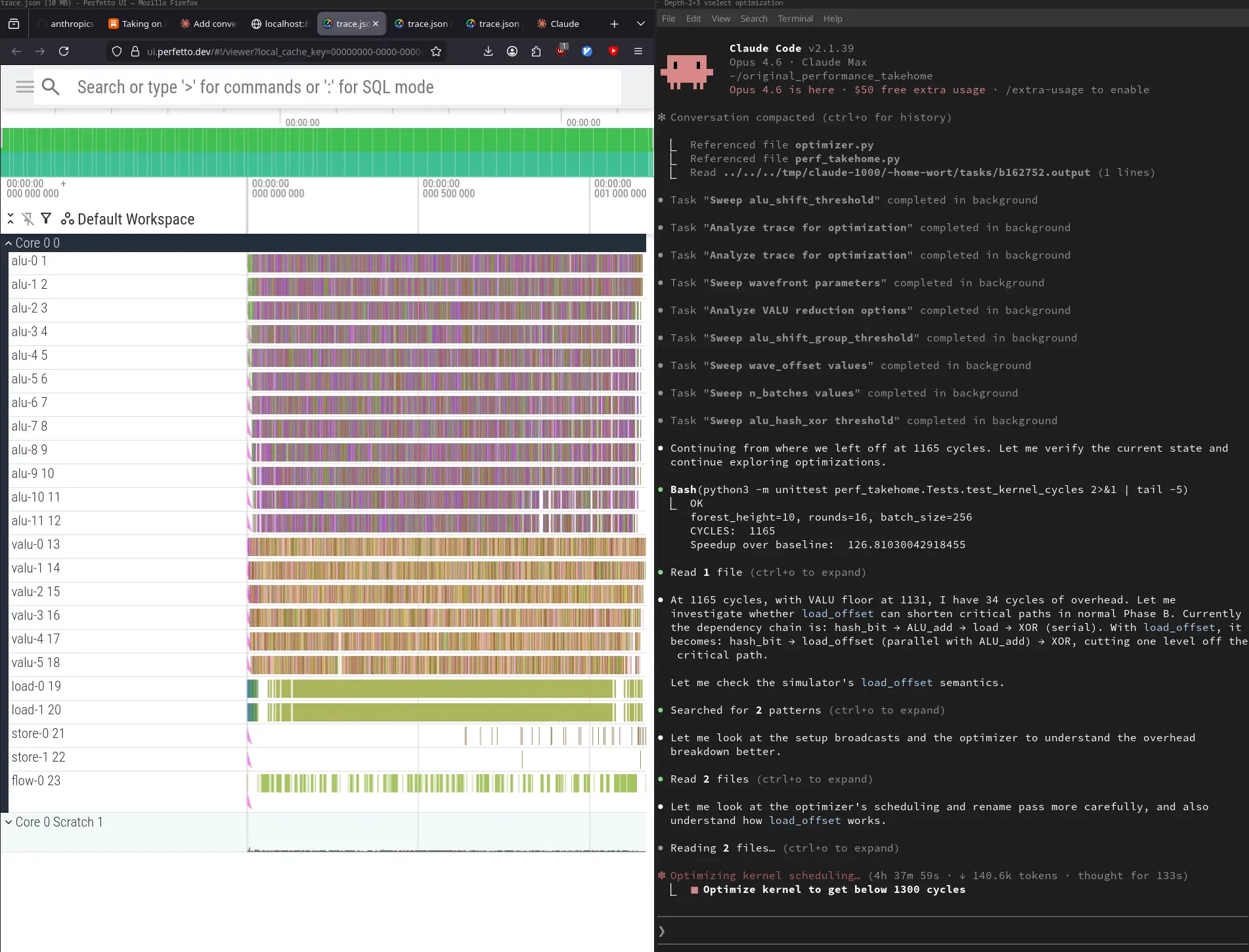
I did the Anthropic Original Performance Take Home on 2026-02-12 and succeeded in getting a runtime of 1157 cycles. I'm going to assume at this time (roughly a month later) that it is reasonable to talk about solutions to this problem. I am basically a startup-shaped programmer and have never needed to do any real performance programming, so I found this problem rather novel.
I'll start with a summary of what Claude says the optimizations were:
Tier 1: Order-of-magnitude wins
VLIW packing (1 slot/cycle to many slots/cycle):
The baseline wastes ~95% of available slots. Just packing independent ops into the same cycle is probably the single biggest win, maybe 8-10x alone.
SIMD vectorization (scalar to VLEN=8):
Another ~8x on the batch processing. Combined with VLIW packing, these two likely account for the bulk of 147,734 to ~2,000.
Loops with jumps (fully unrolled to looped):
The baseline emits 16x256 = 4,096 copies of the loop body as separate instructions. Looping collapses this massively, both in instruction count and enabling the scheduler to pack across iterations.
Tier 2: Significant wins (100s of cycles each)
Wavefront batching tuning:
n_batches=4 gave 1385, n_batches=16 gave 1157. That's ~228 cycles just from picking the right batch shape.
Scheduler parameter tuning
(WAR weight sweep, VALU boost=-0.8):
The final push from ~1353 to 1157, about 196 cycles / 14.5%.
Tier 3: Smaller refinements (10s of cycles each)
XOR fusion (1 VALU saved per group per round)
Depth-1 preloading (7 to 6 VALU per group)
Addr-in-idx, 4-way split addressing, build-time pointers: each chipped away a few cycles
The first three (VLIW + SIMD + loops) do ~99% of the work getting from 147K to ~1500. Everything else squeezes out the last 23% from ~1500 to 1157.
I am anthropomorphizing here, but I think this provides some guidance about what Claude regards as the major optimizations. I largely think this is correct, but it still somewhat surprises me; it reads more like an archaeological summary than a lived experience.
I was going to do a writeup of the optimizations I did. Honestly though, although it seemed exciting to me, it read as pretty boring when I wrote it down. I thought a bit and decided that it would be more interesting to just make a little one-page site that shows my interaction with Claude and how I got to 1157. I think this is actually much better than a "postmortem" on what I did, as it illustrates how to interact with an LLM and provides more direct guidance on what things resulted in bigger and smaller performance changes.
In summary, what was responsible for the largest improvement in performance? Judge for yourself with the transcript, but I think the actual biggest performance differentiators were three things (which Claude barely noted):
Reading and understanding the code and removing the unneeded computation before doing anything else (I think we started at ~93k before doing VLIW and SIMD).
Loading the hash into memory for lower rounds (0, 1, 2) so that it did not need to LOAD at all.
Doing some slightly different computation on specific rounds that have specific characteristics.
Strictly speaking, it is true that the majority of the performance comes from VLIW and SIMD instruction packing. However, VLIW and SIMD are seriously hampered by LOAD instructions. Without some sort of optimization, the LOADs will be the limiting factor. You have to optimize away as many LOAD instructions as you can, and then do the packing in order to get the lower performance. It was fun!
Entirely enjoyable, though still a little bittersweet. It would have been wrong to ask Sanderson to continue the "Wheel of Time" in Jordan's style. I appreciate the quickening of the pace and the different renderings of the characters.
It does feel different though.
I think the best way I can state it is that Jordan feels "Third Person, over the shoulder" while Sanderson is more "First Person" (that was a (weak) video game metaphor). Jordan's books almost feel like a work of historical fiction, where the author is attempting to be as accurate as possible, but maybe some of the details are lost to time and so he does not fill them in. Sanderson's feel more like a ride along on real time events. Jordan is like hearing about someone else from a third party, Sanderson's feel like I am actually present.
You would think that this would mean that I would like Sanderson much more as an author, but it is more complex than that. Jordan, in his distant voice, left me to fill in the details about what I felt and thought about the characters. Sanderson, fills in the internal mindset and thoughts of his characters more richly, and a wonderful intimacy and immediacy is gained in Sanderson's approach. However, something is also lost in making me judge someones less by their actions and more by their own headspace. I miss that from Jordan.
I have used emacs for ~20 years (currently using spacemacs). Although I am very familiar with it, I have never really plumbed its depths. My "under the hood" usage of emacs does not go much beyond writing a few lines for a function to do some very specific thing I want in my editor. I would say I am one of those emacs users who principally uses emacs not because of its power, but because of its dependability. I know that emacs will quickly (a few years at most) get every feature in every editor that survives the test of time. However, more importantly to me, while all those editors will likely be discarded as people lose interest, emacs will keep plodding on. The Lindy effect applied to editors.
With that said, I am not uninterested in getting better at emacs; I am just lazy! I recently hit upon the idea of embedding an LLM in my emacs. Giving an LLM access to my emacs allows the LLM itself to do two things that are kind of neat.
It can literally look at open buffers and variables in my actual emacs session (really, anything accessible within emacs lisp).
It can execute elisp code in my running editor.
Getting this working was surprisingly easy. I basically just spun up a VM and cloned spacemacs within it. I then copied my own .spacemacs file into said VM. I ssh into the VM myself and connect to emacs, with (emacs-server) being part of my startup script. On a separate terminal, I then ssh into the VM with Claude Code and have Claude interact with my (emacs-server) instance with emacsclient.
And we are done! I now have an emacs instance that Claude can fully inspect and interact with as I use it.
The first thing I did with my new (and very patient) friend was figure out exactly why I was seeing certain warnings and errors when starting emacs. These obviously were not breaking bugs, as I just ignored them previously. But it was really illuminating to have a very knowledgeable but unhurried guide to help me debug the problems. I'm not sure what I'll do next with it, but I think editors like emacs that are almost entirely introspectable will have somewhat of an advantage in an LLM assisted world.
I did the Anthropic Original Performance Take Home last Thursday and succeeded in getting a runtime of 1157 cycles. I basically focused on optimizing/pruning the actual instructions initially, and then passed a large set of instructions to an LLM to pack and bit twiddle the actual program. I used Claude Code exclusively as an LLM.
For reference, the best solution that an LLM alone is able to do was 1363 cycles, so this is a significant improvement. The github does not really mention an etiquette on when people should disclose solutions, so I will wait a while before revealing any details.
I mostly program in Clojure, a language that largely eschews any real concerns about performance in favor of making code simple. Clojurians are lax and hand wave log_32(N) data structures as being "constant", and mostly don't care about memory alignment or things of that nature. I think this is entirely the right set of tradeoffs for > 99.9% of use cases.
That is a digressive way of saying that most of this optimization stuff was new to me. I knew about it because I know CS fundamentals, data structures, and algorithms; but I have never concerned myself with it in reality. Probably the closest I ever come to being concerned about it is in optimizing view renderings to make UI's feel responsive and snappy to the user. But this sort of work feels different. It is such a well-defined problem space (make the number go down), and you are free to do any logically equivalent transformation to the program in your pursuit of that goal. It is something that is really easy to get "in the flow" when you do it, and I found myself in that state at many points while working on it. It was fun, and I enjoyed the opportunity.

 Letterboxd




 Admittedly, I don't have strong memories of the Culture series covers (except one with a chair on it ;] ), but these new ones are... I mean, I literally have no idea what this book is about from the cover. That is just absurd. These could be Winamp visualization plugins.
 I picked this as an example of an older book cover that at least show some thought put into them.