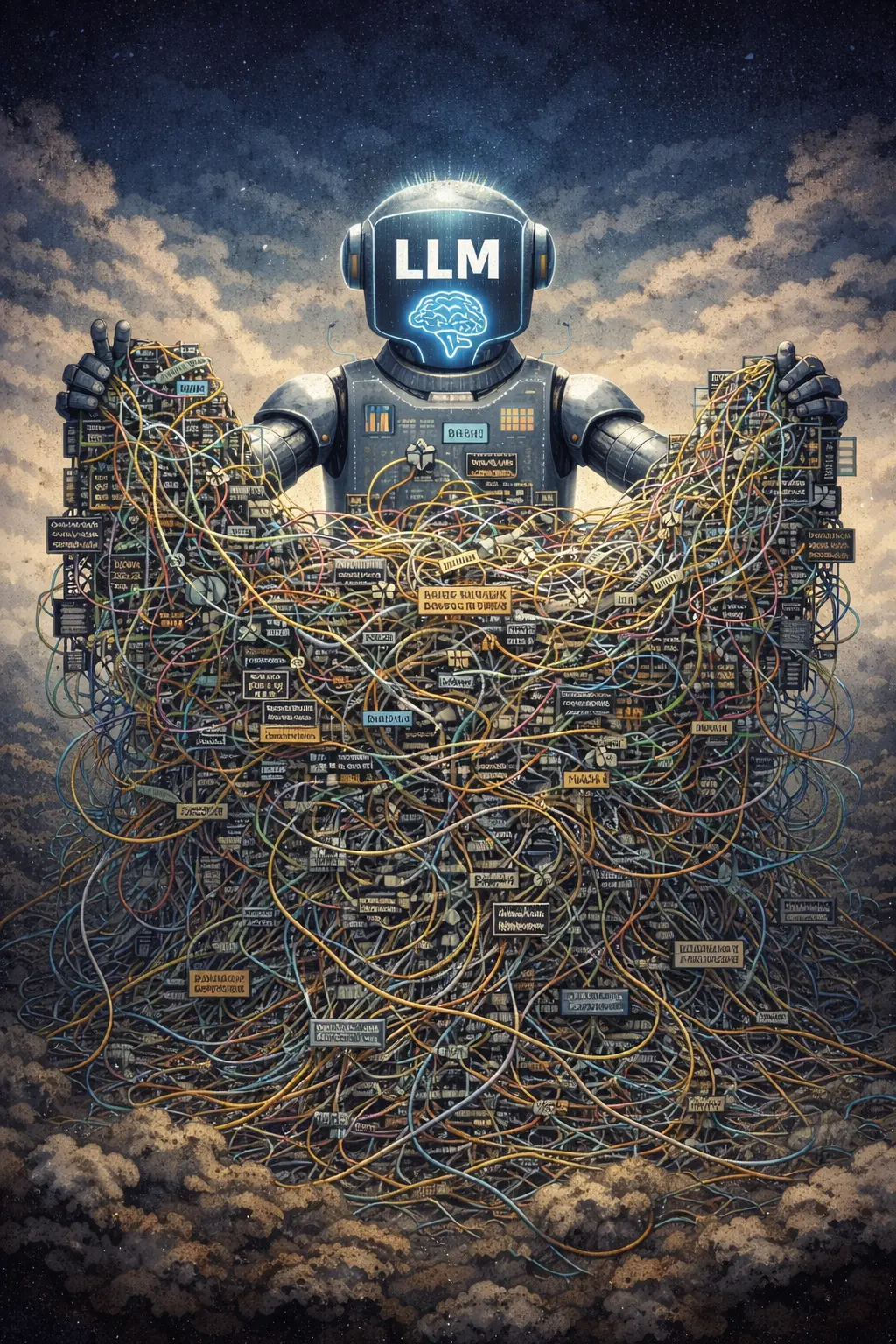
I have done two small vibecoding projects recently, and after reviewing the code that was generated for both of them I am struck by a single thought... I've never seen (human) code like this!
I feel like LLMs tend to generate code that is locally good but has no coherent narrative or larger abstractions. It (mostly) gets the idea of encapsulating things in functions, but I almost feel like it does not even quite understand why it does that. It will create a 1 line functions. It will repeat a pattern 20 times in a file without bothering to make a function out of it. It will inline code that it explicitly wrote a function to handle, seemingly having forgotten that it did so. I have yet to see an LLM do any sort of architecture or design of a system. I have yet to see an LLM generate even a proto DSL of a problem domain. I have yet to see a LLM even recognize the desire to move up the tree of abstraction.
And yet, despite all this. It works sometimes!
Now, my philosophy is that working code beats ideal unrealized code any day of the week. However, there are a few things that make LLMs different than human beings in terms of the code artifacts that they generate.
- They have (almost) no taste.
- They don't seem to climb the abstraction tree.
- They are infinitely patient.
- They don't get bored or tired of repeating themselves.
- They can process a superhuman amount of text.
I'm reminded of a quote by our "Programmer-at-Arms" hero in "A Deepness in the Sky",
"Over thousands of years, the machine memories have been filled with programs that can help. But like Brent says, many of those programs are lies, all of them are buggy, and only the top-level ones are precisely appropriate for our needs."
Not a perfect similarity, but I think this may end up being what software in general looks like if LLMs are allowed to write most of it. It will be literally just.. so... much... stuff. It will be impossible for anyone to make sense of; confined as we are by our puny attention, retention, and tendency to boredom. I am not actually convinced that this LLM generated code will be any better than what a skilled human could have written in external functionality, but it will be much more complex in internal complexity than any human being would be able to deal with. Perhaps, we could someday make an LLM with an internal sense of distate for ugliness, with a desire (pride?) to write artful code, with the capacity for boredom. But as it stands, I don't believe they have any of these capabilities.
Anyway, my only interesting point here is that once you start letting (current generation) LLMs write your code, you are going to end up in a potential situation where only LLMs can make any sense of your code. This sort of makes LLMs a natural monopoly, in the sense that they make code that is so human unparsable that they necessitate using other LLMs to make sense of their own work. LLMs may displace programmers literally because they write code that only another LLM could reason about, not because they are genius, but simply because they are tireless.
 Letterboxd
The film itself is great, I just don't care for the characters.
The problem is I kind of know this guys shtick. I know that he likes characters that resort or revolve around murder; he just loves the idea. I just don't take any real pleasure watching characters explore "dark impulses" that much, I find it kinda boring.
It kind of frustrates me, as I can clearly see that he has the skill to make other genres into great films, but he is always obsessed with exploring things from a "dark psyche" mode. I guess I respect the fact that he just has a thing he seems to like and he will always explore it, but it just isn't that interesting to me.
 Letterboxd
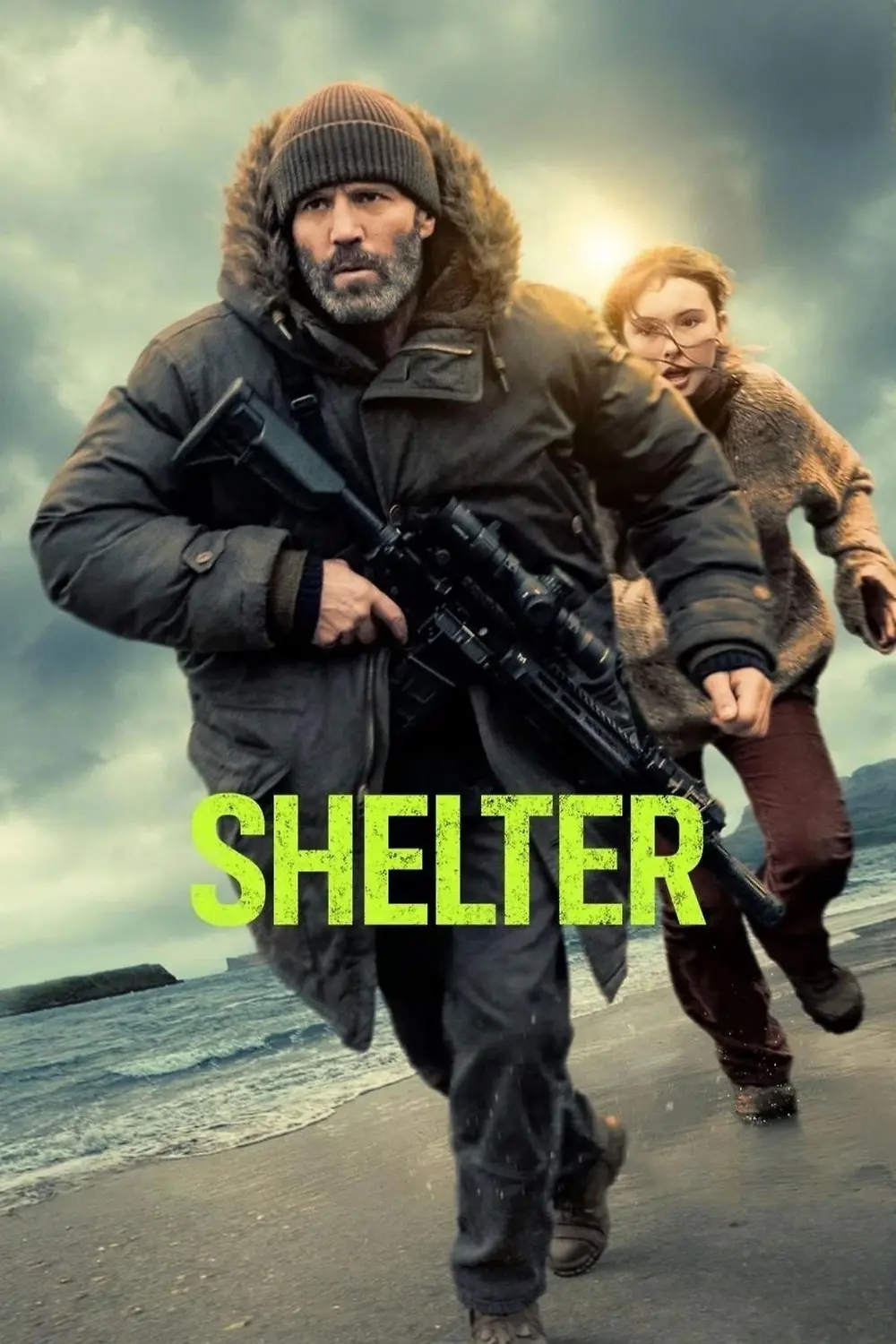
This is no beekeeper.
My main issue with this is the sound design was weak and the action just lacked kinetic energy. It tried to kind of do the nightclub scene from collateral, but just wasn't up to it.
I'd say the biggest miss here is that no one acted as the straight man in our two main character's relationship. It might have been slightly more interesting if the young girl gets to act as a proxy for the audience, commenting on the insanity of the situation or the violence, but she is just oddly quite when not being addressed.
 Letterboxd
I think I may have overhyped this in my head upon seeing the preview, but I still enjoyed it. It was good, but it was kind of more of a reflection on Enlightenment than Grace, and I though this might be a film about the later.
I really want to support small vignette stories like this. Some of the scenery was great.
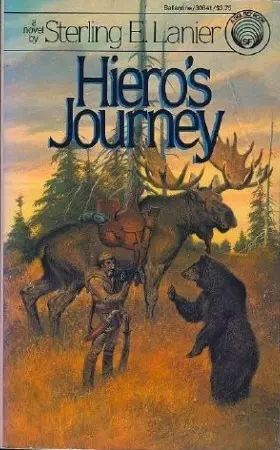
If you told me this was one player's attempt to make a single work of fiction out of a few year D&D campaign, I would completely believe you.
I'm not sure why it kind of works honestly. Perhaps it is just that it is so earnest and unabashedly straightforward in its definition of good vs evil? In the plot driving power of radiation and the mutations they engender? In the "hidden powers" of the human mind (very 1970s)? It is just so... unabashedly silly and yet genuine at the same time.
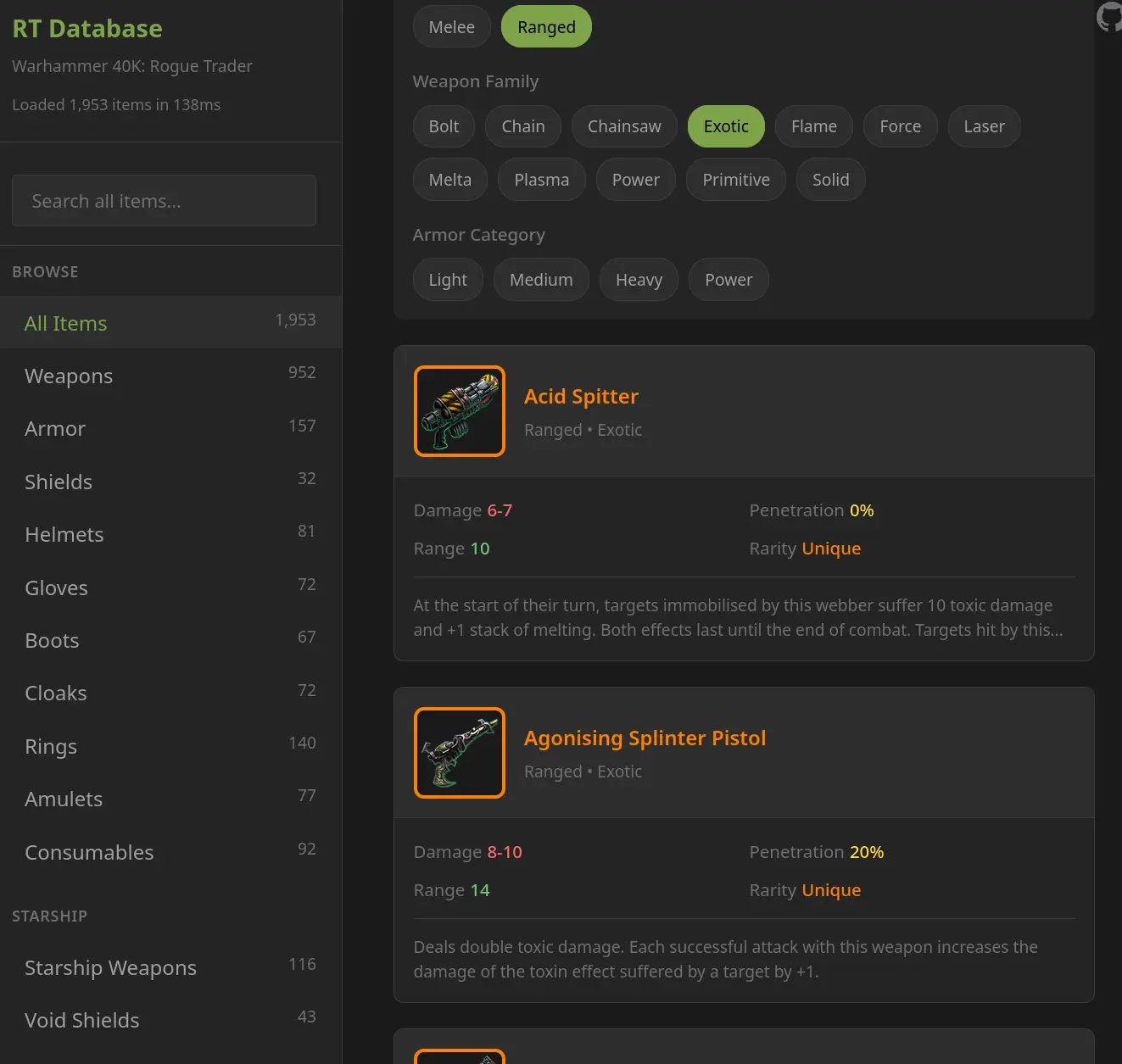
My childhood gaming group has been playing (but has not completed) Warhammer 40k: Rogue Trader.
We noticed that the items mentioned on public facing wikis often seem outdated or just incorrect. So two of us, Warren and myself, decided to see if we could use a free weekend to vibecode a wiki derived directly from the game.
In total, it took us about 5 hours to put together our own item wiki almost entirely through vibecoding.
The meat of the problem was getting the item database from the game. As a starting point, we just scanned through the list of files and found a rather likely "blueprint" file (.jbp). A blueprint file is a JSON file that lists all the in game assets, looking at it in a hex editor it seemed like a good place to start.
Now, I was convinced that we needed to write a parser to parse this file, put together the uuids to actual art assets, and then go from there. We spent about 30 minutes on that. However, Warren thought it might actually be easier to write a mod using their mod tools that would allow us
to parse the running game itself. We were not sure which approach would actually be better, so initially I walked down the path of the parser and he walked down the path of the mod.
At some point, he got the mod to at least install correctly. I am eliding over a huge number of times that he basically made some changes to the mod, reloaded the game, and then attempted to load the mod in the game. But it eventually worked! This was a real win as we discovered that 40KRT is a Unity game written in C#. This is wonderful as it means that we can use introspection on most objects. Now I don't really get how the [namespace|object graph|whatever] system in C# actually works, but it allowed us to ask for all the objects at root and then recursively walk down the object graph. There was some confusion about getting the references in objects as we kept getting empty caches, but we did some sort of thing that forced them to be realized (I forgot how), and then we had a tree of all the objects in the system. We then added an http server to our mod so that we could make restful request to our running server from our LLM, which certainly helped in walking the tree (both for us and for it). We then had the LLM just poke around until it found what looked like the items. It was able to capture the items and then we wrote it into a giant json file.
Concurrently, we built a site that actually hosts this data. I remember once reading about mcmaster.com and how their site is legendarily fast because they just put everything in a single file. So we did the same thing for our site. You just download the "large" (185k compressed) items.json file at load, and then every interaction (search, filter, ordering) you do afterwards is just client side. You do of course load images dynamically as needed, but I am still impressed by how often the "just give them everything at the start" philosophy of web development works.
The final section was taking the texture data for the items and projecting them (I am not clear on all this) so that we could view them as images. I then looped it all together to include the images in the site.
I was impressed that we were able to build a working item wiki of a video game based on "live" (running game) information in just half a working day. As an observation, I think that with LLM assisted coding, having a diverse team may be more important than ever. Part of the reason we were able to accomplish what we did is that we both are rather different types of programmers (I am web/CRUD/startups, he is computer graphics). The fact that we had different ideas about how to do different things was actually quite beneficial, as experimentation is cheap when you are using vibecoding, and the LLM is tireless in trying out different paths. LLMs do have endurance, but they don't have much taste. Pairing LLMs with a group of people with "reified" (though perhaps divergent) sensibilities allows for the pairing of their infinite endurance with humans' earned experience. It was fun!
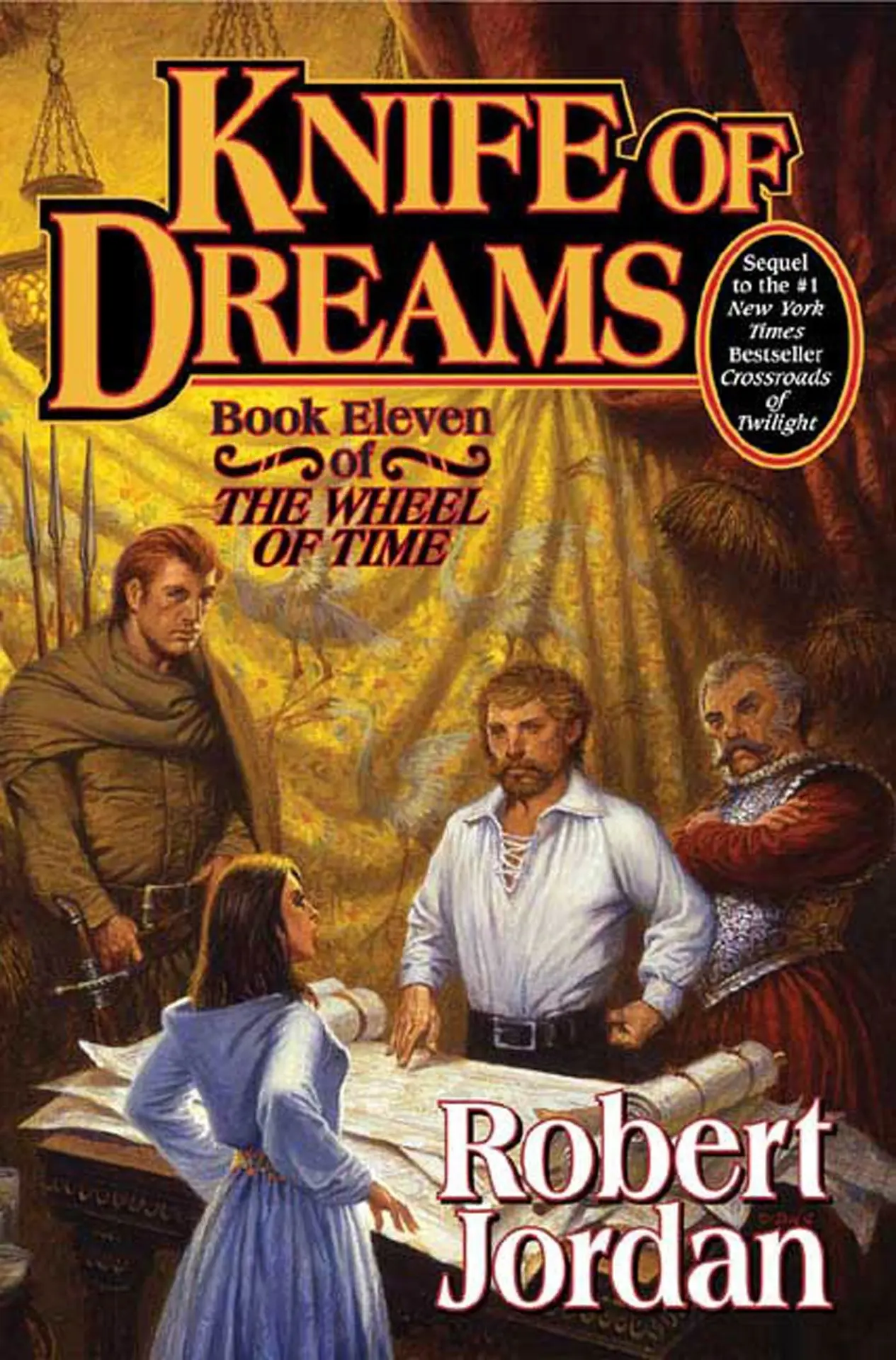
Ok, not really 5 stars (I rate that as "nothing could be improved", and this isn't perfect), but 5 stars if you have been following along and largely enjoying the series.
The last 2 books have been a bit rough in my mind. I was simply floored by just how little happened in the previous book. Contrasted with this book, which had so many great scenes... it is just weird. I wish he had largely elided the previous book and just combined it into it's two adjacent books.... Anyway.
This book is just so many great scenes. I am just reiterating them form myself so I remember
Nynaeve & Lan
My name is Nynaeve ti al'Meara Mandragoran. The message I want sent is this. My husband rides from World's End toward Tarwin's Gap, toward Tarmon Gai'don. Will he ride alone?
So freaking great! You know he will never fly the Golden Crane on his own. You know that he is a great man that could lead but is honor bound not to. You trick him into taking the long route home, and you seed news of his coming to everyone on his way. Damn. She knows he is going to be furious with her, but she does it anyway because she loves him. Just. Freaking. Great.
Mat & Tuon
“Matrim Cauthon is my husband,”the High Lady said in a loud, clear voice. Everyone froze where they stood. “Matrim Cauthon is my husband.”
Karede felt as if Hartha had kicked him again. No, not Hartha. Aldazar. What madness was this? Cauthon looked like a man watching an arrow fly toward his face, knowing he had no chance to dodge.
“Bloody Matrim Cauthon is my husband. That is the wording you used, is it not?”
I mean, it is good that it finally happened. I never felt that strongly about Tuon and Mat, but I really enjoyed their sorta 1940's screwball comedy romance.
Perrin and Faile
Finally, this captive story is resolved. I mean, yes, it is tragic that he killed the man who in multiple situations saved Fail (though also abducted her in the first place). But honestly this whole thing was kind of a boring sidequest the entire time. I feel like this story was supposed to temper Perrin, who is largely more sensitive than either Matt or Rand. In that regard, I guess it succeeded (he cut off a guys hand), but it was just a little dull. Also, I just find Faile kind of annoying as a character. I remember telling someone more than 20 years ago that I thought she was going to die as a character (and I still don't know), but that may just reflect my exasperation with her.
Egwene gets accepted by a bunch of novices
Good for Egwene. I find the whole idea that the White Tower literally chose to keep her alive so preposterous that I am just whatever on her whole plot at this time. This whole arch feels a little on the "Yes Mr. Bond, but before I kill you, first let me tell you what I am trying to accomplish, and also give you plenty of time to potentially escape from this trap" level of plot line. I am just having a real hard time understanding why she wasn't just dissapeared, stilled, and killed. She is instead allowed to run around and become a possible martyr (or, to her credit, a coup-leader) in the actual white tower. It just... I try to make allowances for the will of the pattern sometimes. :]
Rand looses a hand
This was boneheaded move number 2 by Rand (admitedly, he is under pressure). But damn man, you literally walk into what is so obviously a trap. You have become so high strung that you literally have no one to rely upon. And you are so arrogant that you didn't just like, slow the role down so that you could wrestle the power before walking into obvious danger... Dude.
Taim reveals himself
"What would you have me say? Fair is fair? Equal shares? Accept 'very well' and ask who will let you bond them. Besides, you must remember the old saying. Let the lord of chaos rule." The chamber erupted with men's laughter.
Pevara had never heard any saying like that. The laughter made the hair on the back of her neck try to stand.
Ok, the setup and scene is kinda cliche. Feels like the end of a serial that is designed to get you to read the next one. But damn, I don't know why, it really hit pretty strong. It was actually a pretty great end to the book.
Anyway, having captured all that for my future self, my suggestion to you (if you ever need to re-read these), would be basically to just skip the previous book "Crossroads of Twilight" (read the online summaries) and go directly to this one.
This is peak Jordan.
 Letterboxd
I left after the first act. Wasn't terrible, but I felt that I had effectively read the first 100 pages and decided I didn't want to finish this book.
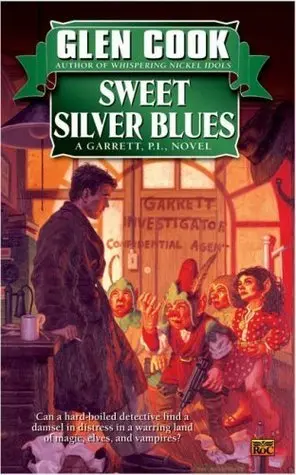
It's interesting, because the actual physical detail (characters, surroundings, buildings, etc) are so bare that your mind's eye only visualizes the players most of the time. Kind of like one of those plays with no props, set pieces or character costumes. In a weird way, this let's you focus on just the personalities, without spending too much time thinking about the environment.
I appreciate this author's ability to add humor into most situations. Things go from harried to lethal, and yet throughout it all our author keeps the tone light, mostly through (verbal) quips and jabs, and to a lesser degree by the characters sort of having a fatalistic-but-we-are-never-going-to-give-up type ethos.
 Letterboxd
It is just so dreadfully dark and dull. And the last act seems to last forever. I love the idea of focusing on the villains rather than batman, but although the acting is inspired, the actual character's core feels hollow.
Have to give it credit to the sound design for including the labored breathing of the Penguing though, that was inspired.
 Letterboxd
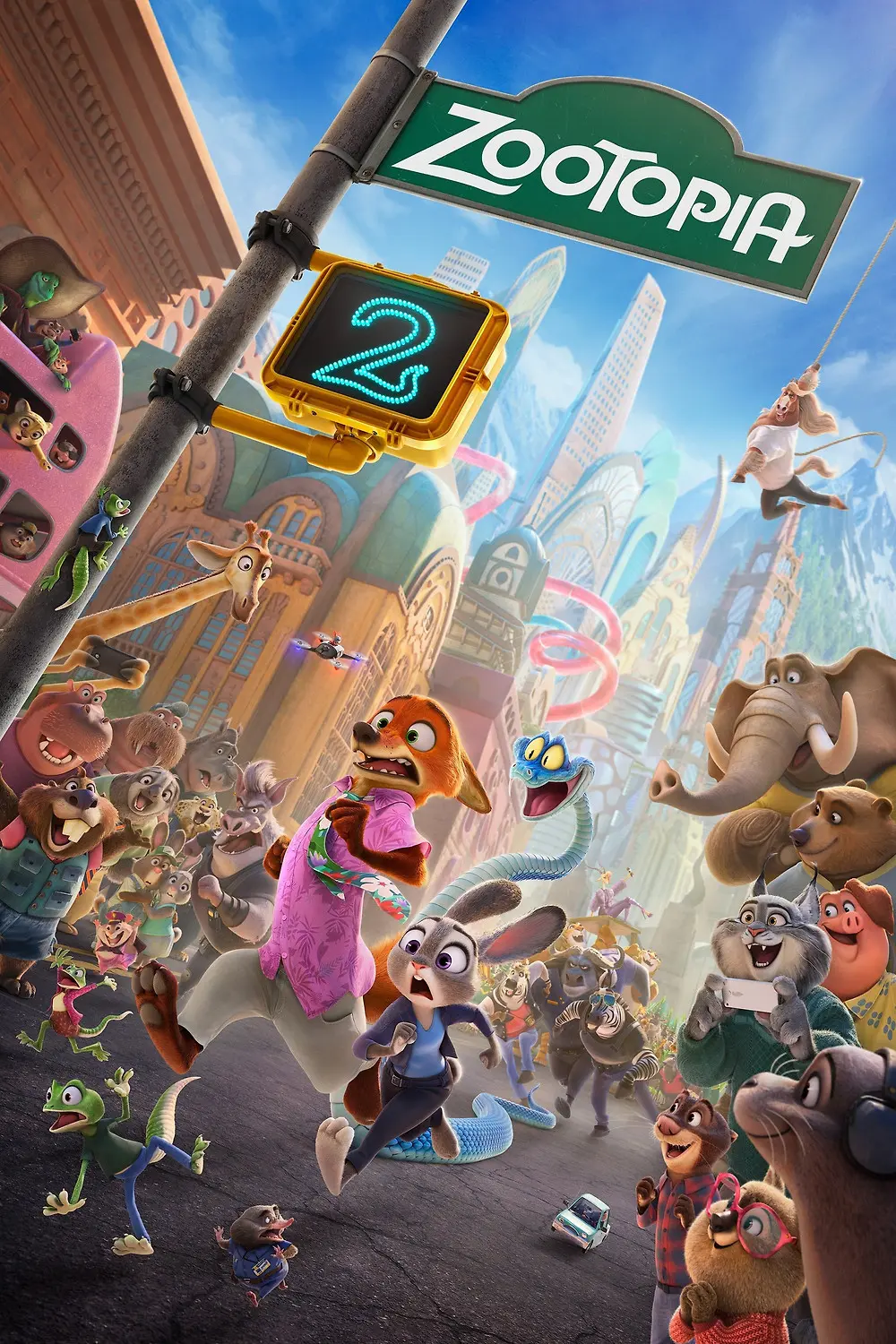
Disney is really scraping bottom here. The writing in this film is just bad. This remind me of late term Daniel Craig Bond films, where he just goes from one random setpiece to another because some flimsy evidence connects the two.
I think I (and I assume most of the audience) predicted basically the entire plot of this film in the first 5 minutes of it's runtime. Maybe they revealed too much in the trailer?
What are the major feelings I am supposed to take from this? She overcompensates and he has trouble showing his affection? Ok, so we have an adventure and then we literally state our weaknesses and our confessions to each other verbatim? This is storytelling?
Altogether just kinda dull.
 Letterboxd
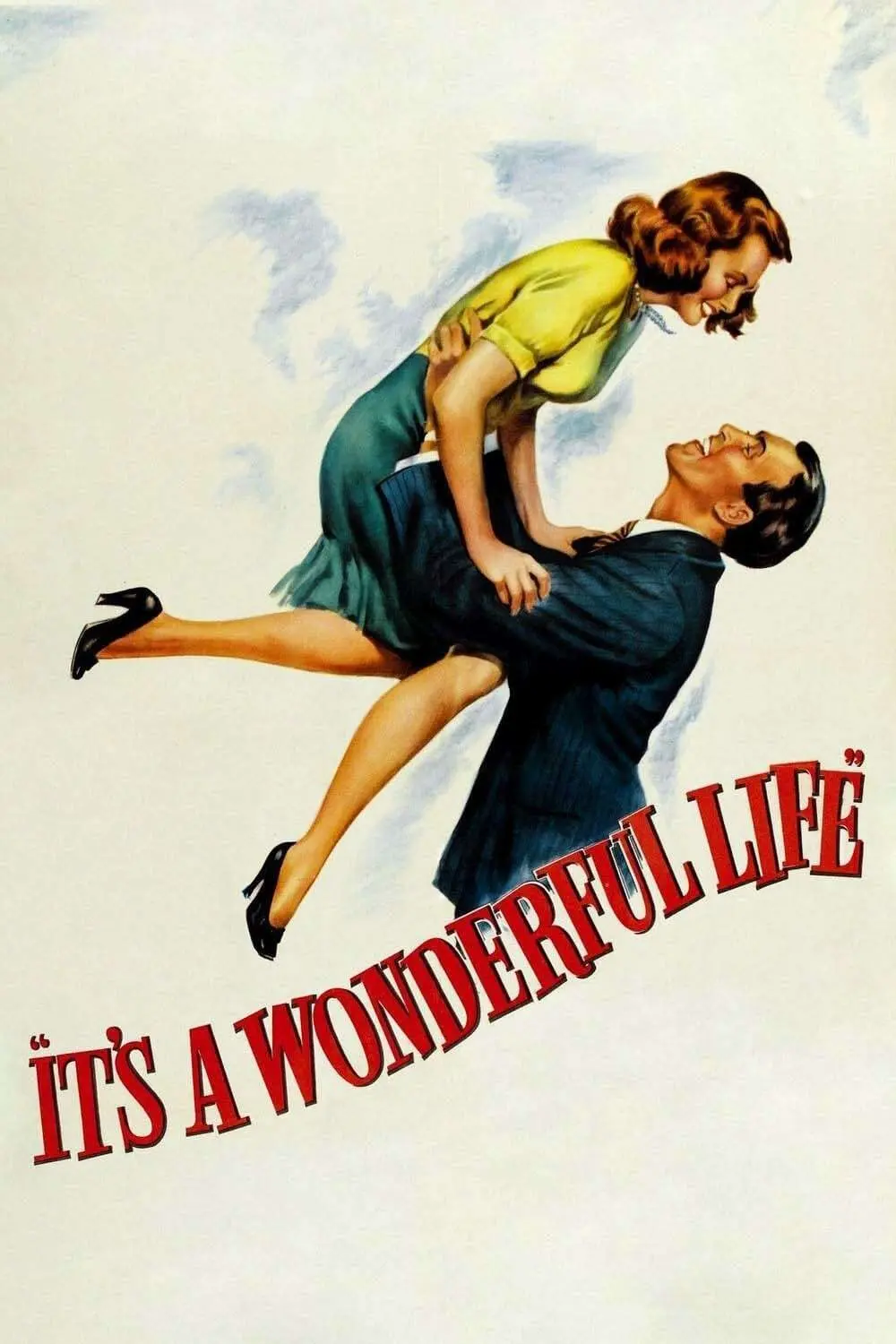
In some sense, it is really his wife that is the main driver in this film.
- She is the one who makes a wish that keeps him in town.
- She is the one who pulls out the honeymoon money to keep the bank run at bay.
- She is the one who rallies her friends and family to save the bank while he goes off on a bender/suicide.
I mean, maybe I am making too much of it, but it seems that she is the principal agent of the entire film.
 Letterboxd
I couldn't quite say why, but this movie felt a whole lot like "The Tree of Life (2011)". I guess it is another exploration (to some degree) of the notion of Grace. Interestingly, Grace in this film is embodied in a sort of naturalism/witchcraft.
I also thought the mixing of a sort of magical surrealism into the story was well done.
 Letterboxd
I'm currently in St. Louis and so thought it would be fun to watch this. The musical numbers were good, and I was surprised that both "Clang Clang Clang goes the Trolley" (The Trolley Song) and "Have Yourself a Merry Little Christmas" (of the same name) were from this film. Which I thought was fun.
Weirdest parts:
- whatever the hell those kids were doing for Halloween.
- The complete disregard for life and limb in allowing a child to pursue a very dangerous prank; I was a little weirded out that they didn't even attempt to correct that behavior.
- Tootie... Yeah, I don't know. Maybe we should get her checked out?
Also, Grandpa seemed to be the only fully functional/formed adult in the entire family, so props to him.
I think I most wanted to see this film to try to place the optimism and pride that people had in Saint Louis at the beginning of the 19th century. Saint Louis at the time had almost twice the number of people as it does today. Saint Louis was central and growing city at the time. It is interesting to see that even in the fictionalized wonder of this film. I imagine the population collapse of modern Saint Louis would quite surprise someone from 1903.
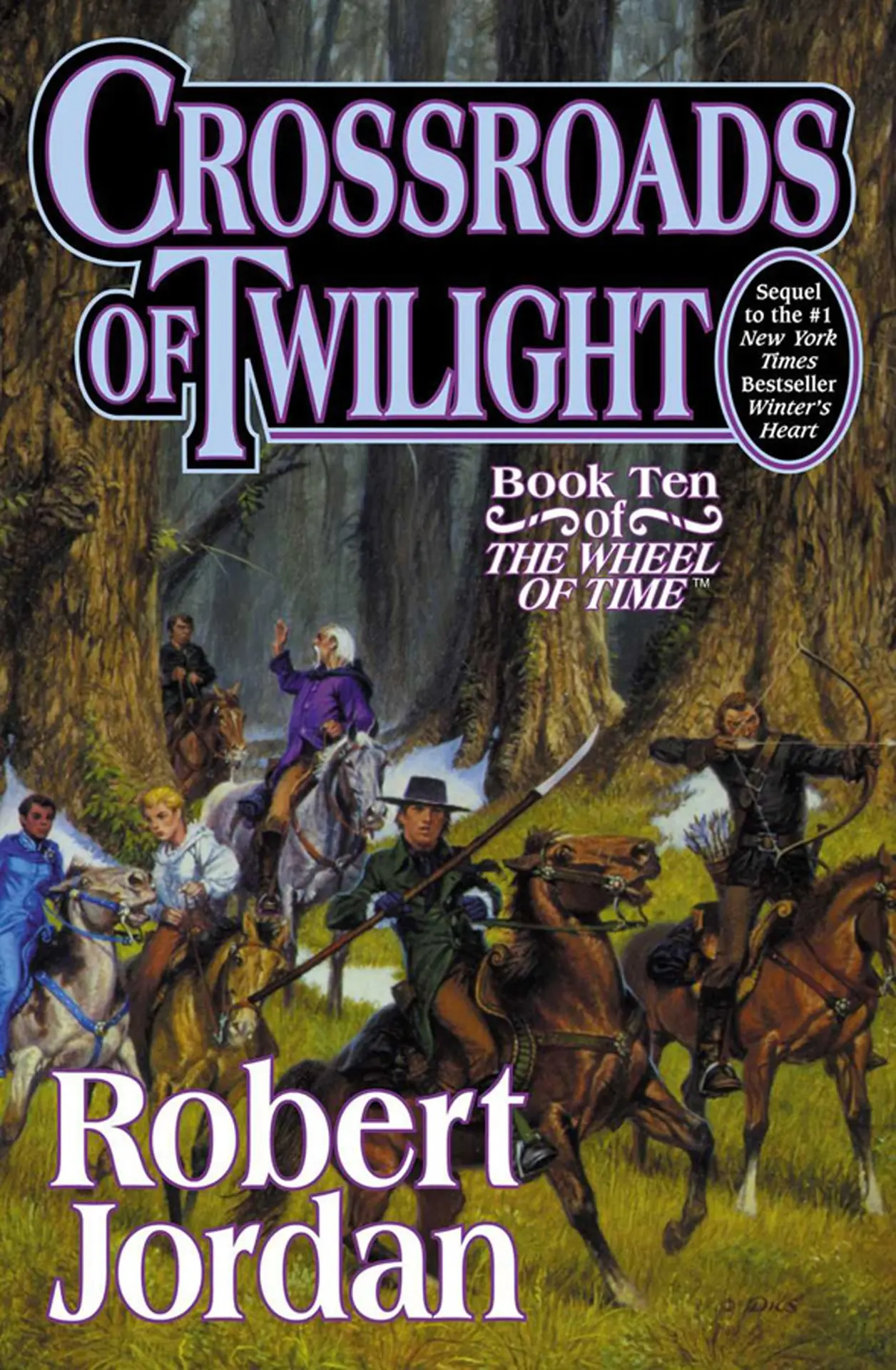
I just finished an entire book and I genuinely think almost nothing happened in it. I am now reading the reviews and noticing that many people say it is best to just skip this one entirely. I am too much of a completionist to do so, but in recommending this series I would advise anyone else to skip this and just read the online summaries for this one. It is almost entirely a book of just world building and characters. Honestly, I am kinda impressed by the pure audacity of the whole thing.
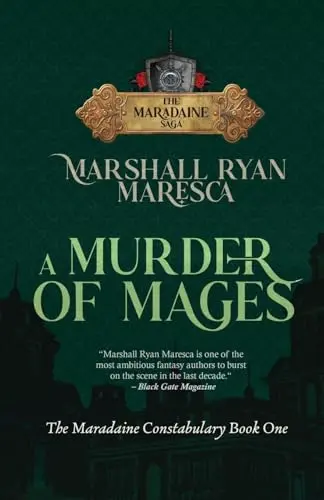
This book perfectly hits what it aims for. It is a bit too "let's take a 90's New York cop show and set it fantasyland" for my taste, but you have to admit, it did a pretty damn good job of it.
The packaging was very familiar to anyone watching broadcast tv in the 90's. Clean, efficient writing. Pacing was good. I was genuinely entertained and would certainly consider reading the next in this series.
 Letterboxd
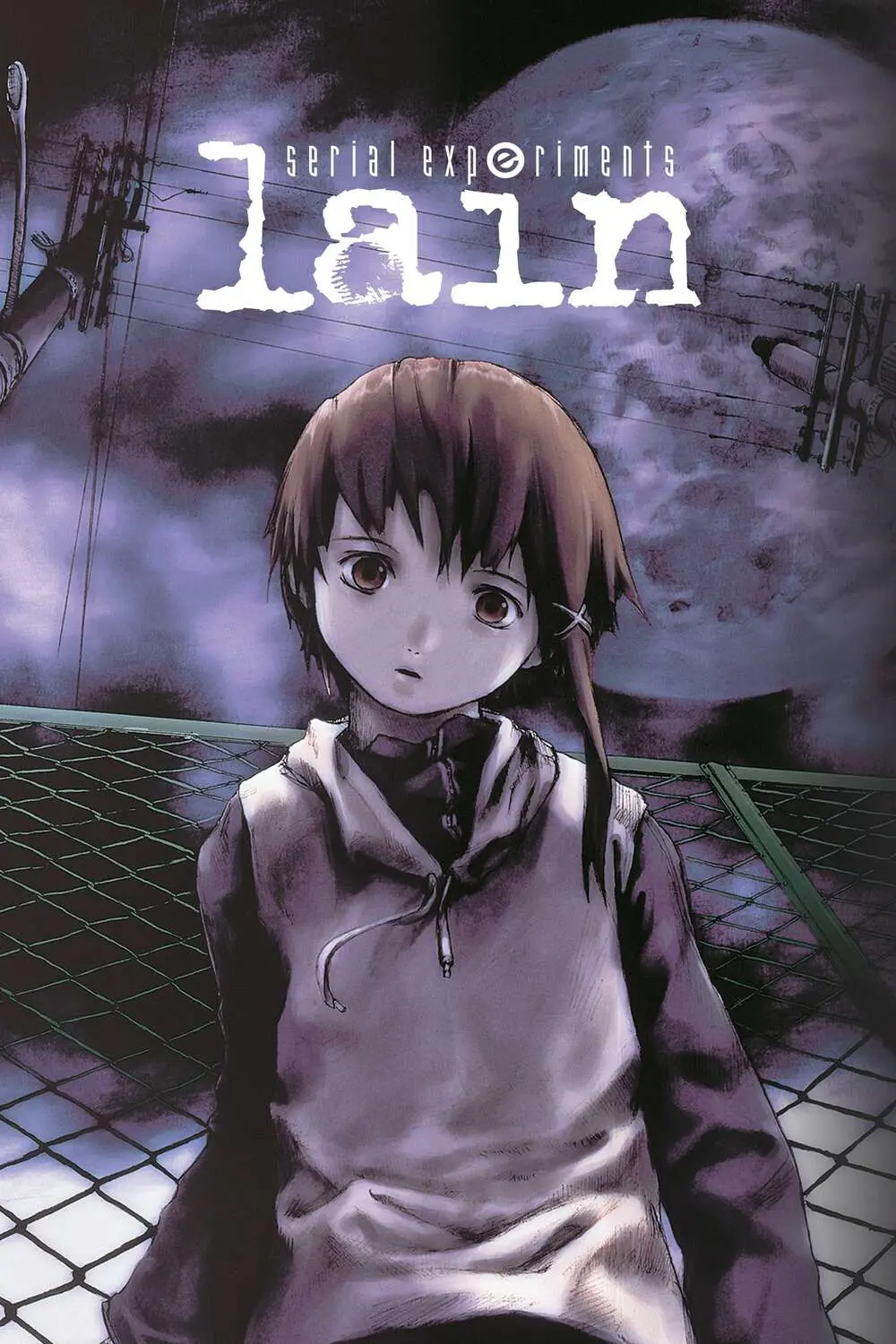
I wish I had someone with me who deeply appreciated this series. Watching it solo, I thought it had some surprisingly prescient things to say about the disconnect from reality, the multiple versions of yourself online, and the loss of humanity that might occur as people join the Wired (internet).
I got these insights through my own experience, but I have been told that to (really) get lain, you might need to read more about it online. I am not sure that I will, and I am always a little hesitant to recommend something that can only be truly appreciated with further context.
 Letterboxd
This is one of those movies that I largely enjoyed because I think it might be reflective of a culture or lifestyle (Shanghai, single mother) that is very foreign to me.
China, more than many places, is a country that is very difficult to get a "everyman on the street" read on. I think maybe something comes through in works like this, though maybe that is like judging American culture via the Barbie film.
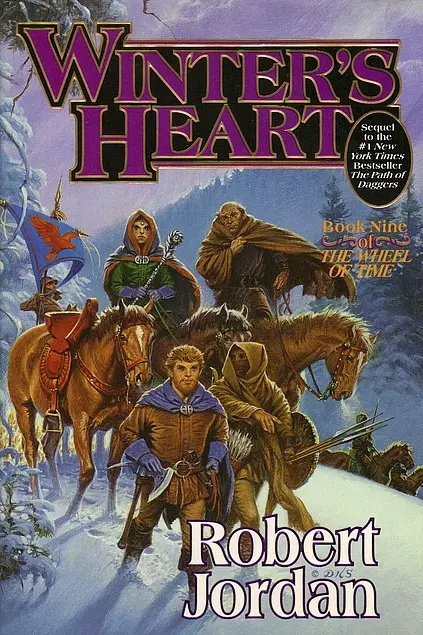
I genuinely wonder how Robert Jordan sketched out this book? The next book evidently runs concurrently to this one. So when he wrote this one did he do so as a basic "background material" for the next book? Did he plan to do this ahead of time or did he make the decision to do so when he realized he had a bunch of B plots that he needed to partially resolve before he got to the "big action" end of this book.
Anyway, two major events happen in this book, and it feels like it should be a bigger deal, but you are so sort of overwhelmed by the amount of background noise going on that it is hard to even place them in perspective.
 Letterboxd
The soundtrack and some of the special effects are the only redeeming thing about this film. If I had to point a finger I would say the editor/cinematographer are most to blame. It's hard to describe a visual medium as noisy, but it is all I can think to describe this. Slow motion scenes to excess, character arcs that just occur with no explanation, plot holes that you could drive a Recognizer through. Just... subpar.
I notice how much cleaner and professional most writing is becoming on the internet. I've also noticed that the average articles seems to have ballooned in size. Seems like every writer suddenly fell in love with emojied bulleted list.
I suspect that the reason for this is that more and more people are using AI to guide their writting. I'm not criticing anyone for doing so, the LLM can almost certainly write better than you ever could.
My own writing is weak. Stylistially I constantly put things in parentheses that should be better expressed as separate thoughts. I loose the tense of the paragraph all the time. I wander around ideas without finishing them. Sometimes I don't even bother to spellcheck. Tons of problems.
But I think that I am going to stick to writing without LLMs. For three principal reasons:
- It is more fun. I feel something bigger when I write something poorly on my own than something better with an LLM.
- It seems to me that it is a better expression of who I am. Most of my writting is simply cataloging (not even reviewing) things that I consume. I enjoy viewing and contrasting past versions of myself against the person who I am today (as someone familiar with the author). If some stranger were to read what I write, I think a poorly penned paragraph of my own is more illustrative of who I am than a better written article enhanced by an LLM.
- It is a small (perhaps token) resistance against the normalization of the world. I'm concerned that the prevalence of LLMs will groupthink us into thinking the same way, acting the same way, believing the same way. Writing (poorly) on my own is a small way to resist that.
 Letterboxd
A tight 90 minute thriller with no car chases and minimal action. Actually, there weren't even necessarily any "bad guys" in this film, depending on how much your adhere to Realpolitiks. Not to say that there weren't abhorrent characters, but they seemed to all be guided by differerrent interpretations of their reality.
And the movie, despite being very short, actually gave you enough time to at least begin to gather what those different interpretations were.
Honestly a pretty impressive feat in such a compact film.
 Letterboxd
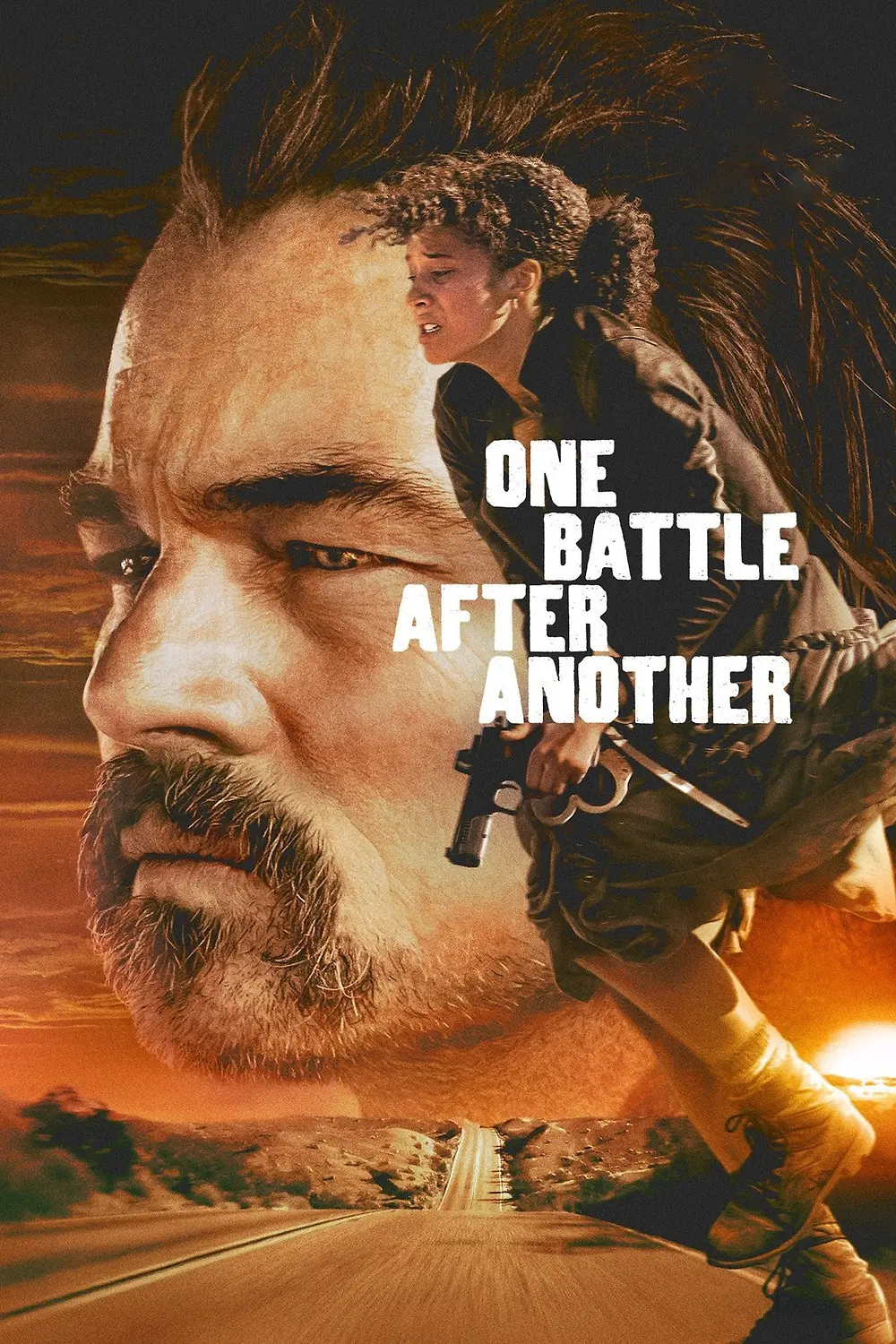
Felt like Napoleon Dynamite meets Sicario. Also kind of reminded me of Taken in the sense that things are being done that are so high visibility, and yet the world as a whole does not seem to react to them (just like in Taken's evidently lawless France).
A kind of gross movie about boring people doing nonsensical things.
I think the only character I actually liked was Benicio Del Toro's, he had a cool vibe to him.
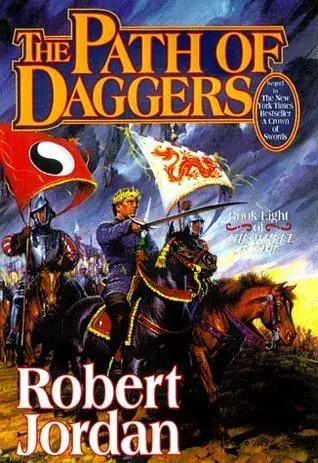
If I did not love these characters like family, I would admit to myself that this is just not a very good book.
For one thing, it is Mat'less, which is weak.
We spend a whole whole lot of time in Egwen's power struggle as Amyrlin, which has it's moments. And I wonder if the notion of a ruler taking extraordinary wartime powers felt like a fresh idea at the time? I don't know, seems so common these days that it feels kinda hackneyed. I raised a serious eyebrow when supposedly only 1 Aes Sedai was aware of the implications of what they were doing. That seemed kinda forced.
Anywho, a little happens in this book, the weather gets better, and then there is a big boom at the end. Fin.